Mgahinga Gorilla National Park is known for its remarkable vegetation diversity, which is largely influenced by its volcanic origin, high altitude, and consistent rainfall. Despite being Uganda’s smallest national park, it contains a wide range of vegetation zones that change with elevation, creating a layered and highly dynamic ecosystem. These vegetation belts support a variety of wildlife, including the endangered mountain gorillas and the rare golden monkeys.
The park rises from about 2,227 meters to 4,127 meters above sea level, and this variation in altitude creates distinct climatic conditions that directly affect plant growth. The fertile volcanic soils, formed from lava and ash over thousands of years, allow thick vegetation to flourish. Combined with frequent mist and rainfall, the park remains green and biologically productive throughout the year.
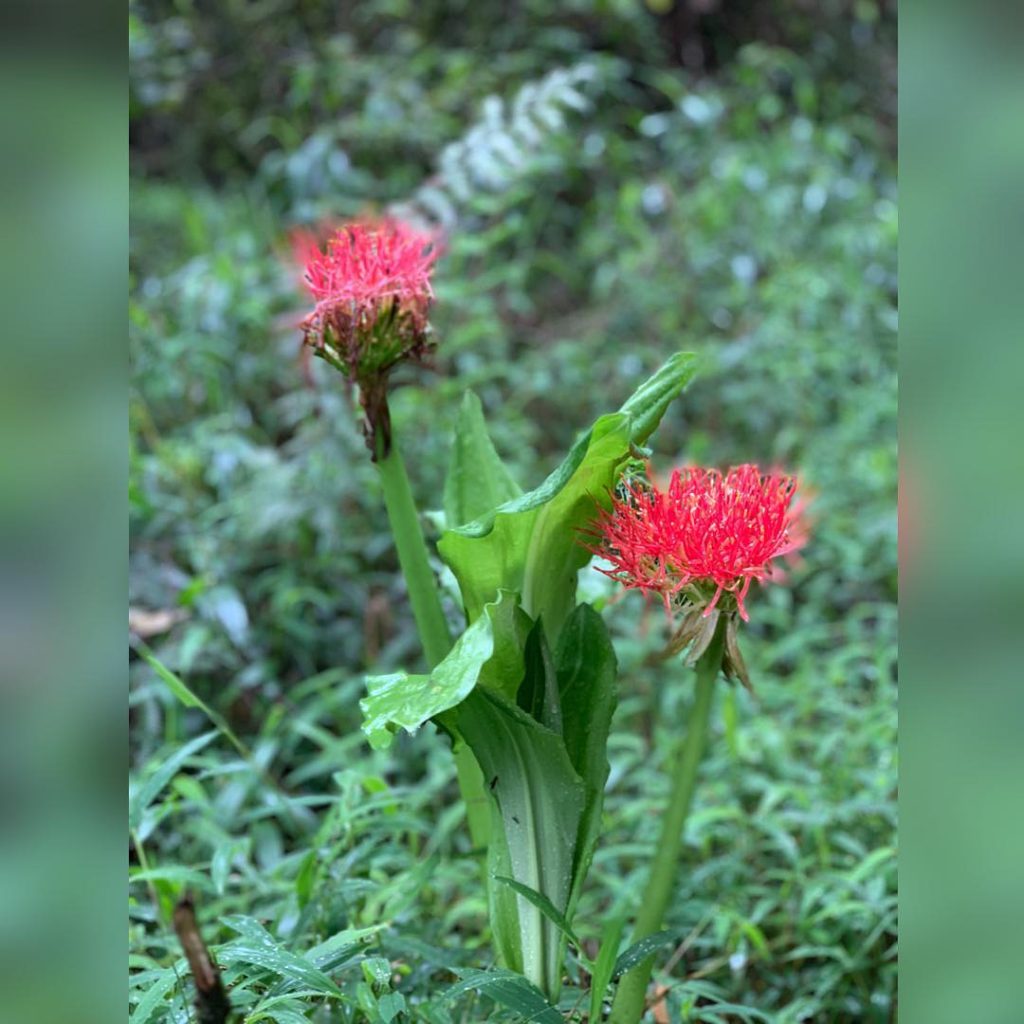
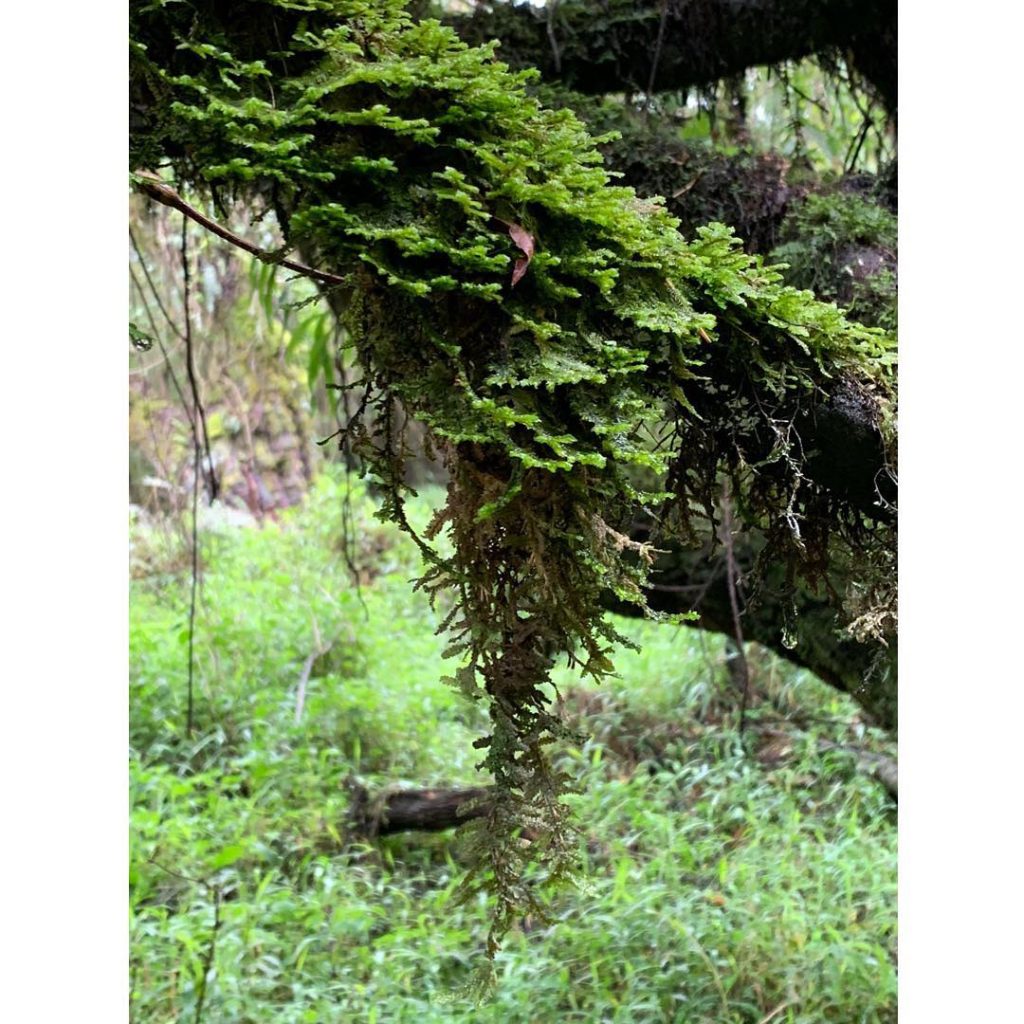
The lower slopes of Mgahinga are dominated by montane forests, which form one of the most important ecological zones in the park. These forests are dense and humid, with tall trees forming a closed canopy and a thick undergrowth of shrubs, vines, and herbs. Many trees are covered in mosses, lichens, and epiphytes, reflecting the high moisture levels in this zone.
This vegetation zone provides habitat for a wide range of wildlife species, including forest elephants, bushbucks, and numerous bird species. It also plays a critical role in water conservation, as it helps capture and store rainfall, feeding streams and maintaining the park’s hydrological balance. The montane forest acts as a transition zone between human settlements and the more fragile high-altitude ecosystems above.
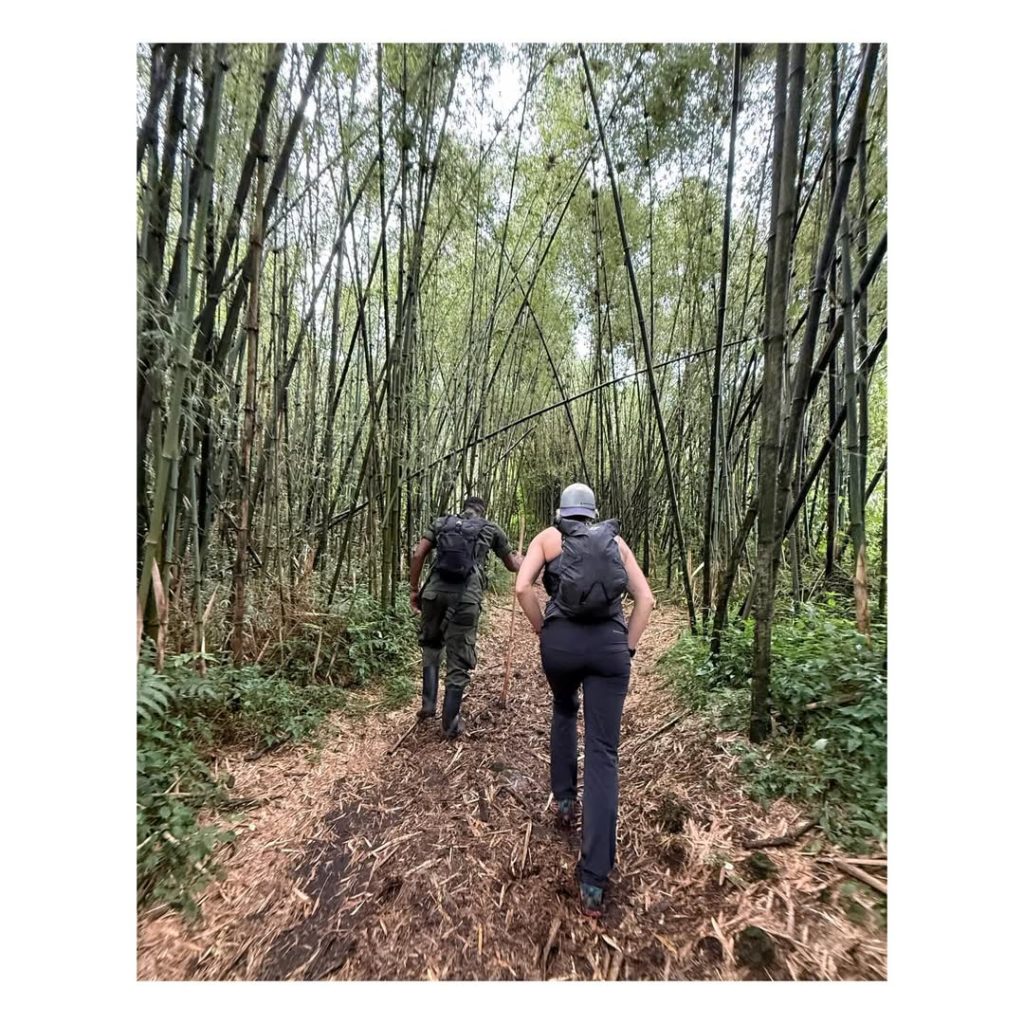
Above the montane forest lies the bamboo zone, one of the most distinctive vegetation types in Mgahinga Gorilla National Park. This zone is dominated by dense bamboo stands that grow rapidly due to the fertile volcanic soils and favorable climatic conditions. Bamboo forests are especially prominent on the slopes of Mount Gahinga and Mount Sabyinyo.
The bamboo zone is a vital habitat for wildlife, particularly the golden monkeys, which depend heavily on bamboo shoots for food. Mountain gorillas also frequent this zone, especially during seasons when bamboo shoots are abundant. The dense bamboo provides both food and shelter, making it an essential part of the park’s ecosystem.
As elevation increases, the bamboo zone gradually transitions into the Hagenia-Hypericum zone, characterized by scattered trees, shrubs, and open forest. This zone features species such as Hagenia abyssinica and giant Hypericum plants, which are adapted to cooler temperatures and thinner soils.
The vegetation here is less dense than in the lower forests, allowing more sunlight to reach the ground. This creates a unique environment where grasses, herbs, and flowering plants thrive alongside trees. This zone is important for biodiversity, supporting a variety of insects, birds, and small mammals, and serving as a transition between forest and alpine vegetation.

At the highest elevations of the park, the vegetation changes dramatically into Afro-alpine and moorland zones. These areas are characterized by low-growing plants, grasses, and hardy species that can survive cold temperatures, strong winds, and intense sunlight. Vegetation includes giant lobelias, senecios, and tussock grasses.
This zone has a unique and almost otherworldly appearance, with open landscapes and specialized plant species adapted to extreme conditions. The soils are thinner and less fertile, but the vegetation still plays an important role in preventing erosion and maintaining ecological balance. These high-altitude zones are mainly found on the upper slopes of Mount Muhabura, Mount Gahinga, and Mount Sabyinyo.
The different vegetation zones in Mgahinga Gorilla National Park are closely linked to the distribution of wildlife. Mountain gorillas, for example, move between zones depending on food availability, feeding on leaves, shoots, and stems found in forests and bamboo areas. Golden monkeys are mostly found in the bamboo zone, while other animals occupy different based on habitat preference.
This close relationship between vegetation and wildlife makes the park a highly interconnected ecosystem. Any changes in vegetation—whether due to climate, human activity, or natural processes—can directly impact animal populations. Conservation efforts in the park therefore focus heavily on protecting these vegetation zones.
Mgahinga’s vegetation is strongly influenced by its cool and moist climate. The park receives significant rainfall, especially during the wet seasons from March to May and October to November. This consistent moisture supports lush plant growth and maintains the park’s dense forests.
Temperature also plays a key role, decreasing with altitude and creating different vegetation belts. The combination of rainfall, temperature variation, and volcanic soils creates ideal conditions for a wide range of plant species. However, heavy rains can also lead to soil erosion on steep slopes, making vegetation cover essential for stabilizing the landscape.
The vegetation of Mgahinga Gorilla National Park is not only important for wildlife but also for the surrounding communities and the broader environment. The forests act as a water catchment area, regulate climate, and prevent soil erosion. They also support biodiversity at both local and regional levels.
In addition, the park’s vegetation has cultural significance, particularly for the Batwa people, who traditionally relied on the forest for their livelihood. Today, conservation efforts aim to balance ecological protection with community involvement, ensuring that the vegetation remains intact for future generations.