The conservation story of mountain gorillas in Mgahinga Gorilla National Park began in the latter part of the 20th century, as scientists and conservationists realized the species was under severe threat. By the 1970s and 1980s, mountain gorillas across the Virunga region—including what is now Mgahinga—were facing critical population declines due to hunting, habitat loss, and human encroachment. At that time, the forests of southwestern Uganda were home to only a small number of gorilla families, and their survival was uncertain. The pioneering work of conservationists like Dian Fossey in neighboring Rwanda raised global awareness of the urgent need to protect these apes and their habitats, providing a model that would influence Uganda’s efforts.
Among Uganda’s rarest mammals, the mountain gorilla stands out as a symbol of wildlife conservation. These magnificent creatures are critically endangered, facing threats from both human activity and natural challenges that make survival in the wild increasingly difficult. Today, efforts in Mgahinga Gorilla National Park are recognized as one of Africa’s most successful wildlife protection initiatives, showing how careful management and community involvement can help an endangered species thrive. Protecting gorillas is not only the responsibility of authorities—it is a shared responsibility that begins with awareness and education.
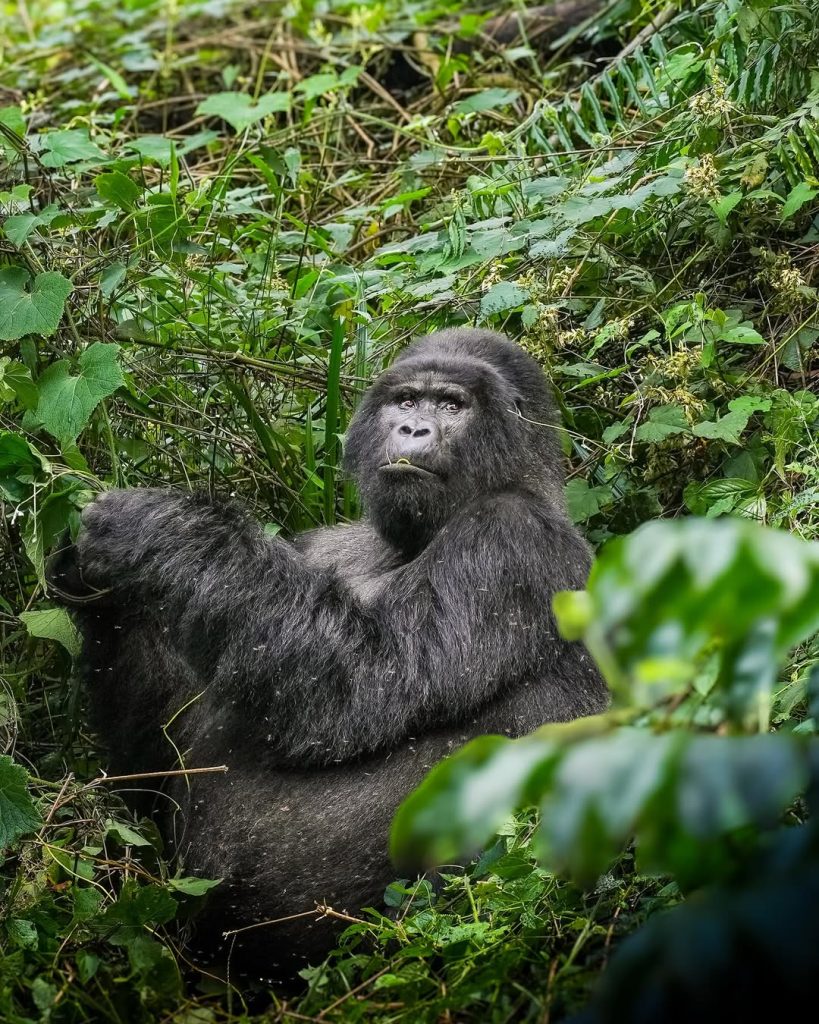
Recognizing the importance of protecting mountain gorillas, the Ugandan government formally established Mgahinga Gorilla National Park in 1991. This small but strategic park, covering 33 square kilometers, was designed to preserve critical gorilla habitat and serve as a sanctuary for the endangered species. Establishing the park involved relocating some local communities, including the Batwa people, who historically lived within the forest. While this process was complex and controversial, it created a legally protected space where gorillas could thrive under the watch of trained rangers. The creation of Mgahinga also reinforced Uganda’s commitment to transboundary conservation, connecting its efforts with Rwanda and the Democratic Republic of Congo as part of the Virunga Conservation Area.
Following the park’s establishment, Uganda Wildlife Authority (UWA) initiated rigorous protection measures. Rangers began patrolling the forests to prevent poaching, monitor gorilla families, and collect vital ecological data. Gorilla groups were habituated gradually, allowing controlled human interaction for tourism and research while minimizing stress on the animals. These early efforts were crucial in stabilizing the gorilla population, ensuring that they were protected from hunting, snare injuries, and disease transmission.
From the beginning, Mgahinga’s conservation strategy recognized the importance of local communities. Programs were introduced to educate nearby villages about the value of gorillas and the forest ecosystem. Through sensitization campaigns, eco-tourism employment opportunities, and cultural initiatives, local people became active partners in protecting the park. The involvement of the Batwa community in guiding cultural trails and tourism activities not only provided livelihoods but also strengthened the social support for gorilla conservation.
Over the past three decades, Mgahinga has become a model of successful gorilla conservation. Since its establishment, the park has seen a gradual increase in gorilla numbers, thanks to habitat protection, anti-poaching measures, and sustainable tourism. The habituation of gorilla groups such as Nyakagyezi has allowed both tourists and researchers to study these animals closely, generating funds that are reinvested into further conservation. Today, Mgahinga continues to play a pivotal role in the transboundary protection of mountain gorillas, contributing to the overall recovery of the species across the Virunga region.
The Nyakagezi gorilla family is the sole fully habituated mountain gorilla group in Mgahinga Gorilla National Park, making it the focus of gorilla trekking in this part of Uganda. The group’s history begins soon after Mgahinga was formally gazetted as a national park in 1991, when conservationists began the intentional process of habituating a wild gorilla group so that humans could observe them safely without causing stress or disruption. Before habituation, these gorillas were part of the broader mountain gorilla population that ranged across the Virunga Massif, moving freely between what are now Uganda, Rwanda, and the Democratic Republic of Congo. Research and tracking teams gradually grew accustomed to the group’s daily patterns, allowing the gorillas to become familiar with rangers and trackers over time. By 1994, the group had become sufficiently tolerant of human presence that it could be opened to ecotourism, giving Mgahinga its first official gorilla trekking opportunity
In their early years, the Nyakagezi gorillas were more mobile, regularly crossing borders into neighbouring parks in Rwanda and the Democratic Republic of Congo. This transboundary movement was typical of gorilla troops before they were habituated, since they followed food availability and seasonal changes across the Virunga ecosystem. However, as the habituation process progressed and food sources within Mgahinga remained reliable, the group gradually began to settle more consistently within Ugandan territory. Although border movements were once common, in recent years the Nyakagezi family has remained largely resident within Mgahinga, which makes tracking more predictable and increases the likelihood that visitors will see them during a gorilla trek.
Despite these successes, mountain gorillas remain vulnerable to several threats. Habitat loss from farming, logging, and livestock grazing continues to shrink the forest space they rely on. Diseases, including those carried by humans or domestic animals, can spread rapidly among gorilla populations, while poaching and snare injuries remain a significant danger. Gorillas can also suffer from accidents, such as falling from trees, or natural hazards like forest fires.
Human conflict, displacement, and civil unrest in nearby regions sometimes push people into gorilla habitats, increasing the risk of crop raids, retaliation, and disease transmission. Social disruptions within gorilla groups can also occur when a dominant silverback dies, occasionally leading to infanticide by new males—a natural but harsh consequence for population growth. Additionally, gorillas are sensitive to environmental conditions; diseases like pneumonia, parasite infections, and injuries from snares or human encounters pose ongoing risks.
Historically, fear and misunderstanding led humans to kill gorillas for food or out of perceived threat. Today, conservation has transformed that relationship. Education, responsible tourism, and community engagement have turned people from potential threats into allies, contributing to the gorillas’ survival. Each visitor, researcher, and local resident plays a role in safeguarding these animals. With continued protection, careful monitoring, and sustainable practices, the mountain gorilla population has the potential not only to survive but to flourish, offering a powerful example of how human intervention can heal rather than harm nature.