The Nyakagezi Gorilla Group is the only habituated gorilla family in Mgahinga Gorilla National Park, making it the centerpiece of gorilla trekking experiences in this park. Known for its fascinating social structure and relatively stable presence, this group offers visitors a rare opportunity to observe mountain gorillas in a more intimate and less crowded setting compared to other destinations. Over the years, Nyakagezi has become not only a tourism highlight but also an important symbol of successful gorilla conservation within the Virunga region.
The name “Nyakagezi” is derived from the specific area within the park where the group was first regularly observed. This sector of Mgahinga is rich in food resources such as fruits and foliage that gorillas favour, which encouraged the group to remain in a relatively concentrated home range. Over time, this made it easier for trackers to follow the family and for conservationists to habituate them for tourism. The stability of their location, combined with abundant food sources, helped the Nyakagezi gorillas establish a routine that supported prolonged observation without unduly disturbing their natural behaviour.
In their early years, the Nyakagezi gorillas were more mobile, regularly crossing borders into neighbouring parks in Rwanda and the Democratic Republic of Congo. This transboundary movement was typical of gorilla troops before they were habituated, since they followed food availability and seasonal changes across the Virunga ecosystem. However, as the habituation process progressed and food sources within Mgahinga remained reliable, the group gradually began to settle more consistently within Ugandan territory. Although border movements were once common, in recent years the Nyakagezi family has remained largely resident within Mgahinga, which makes tracking more predictable and increases the likelihood that visitors will see them during a gorilla trek.
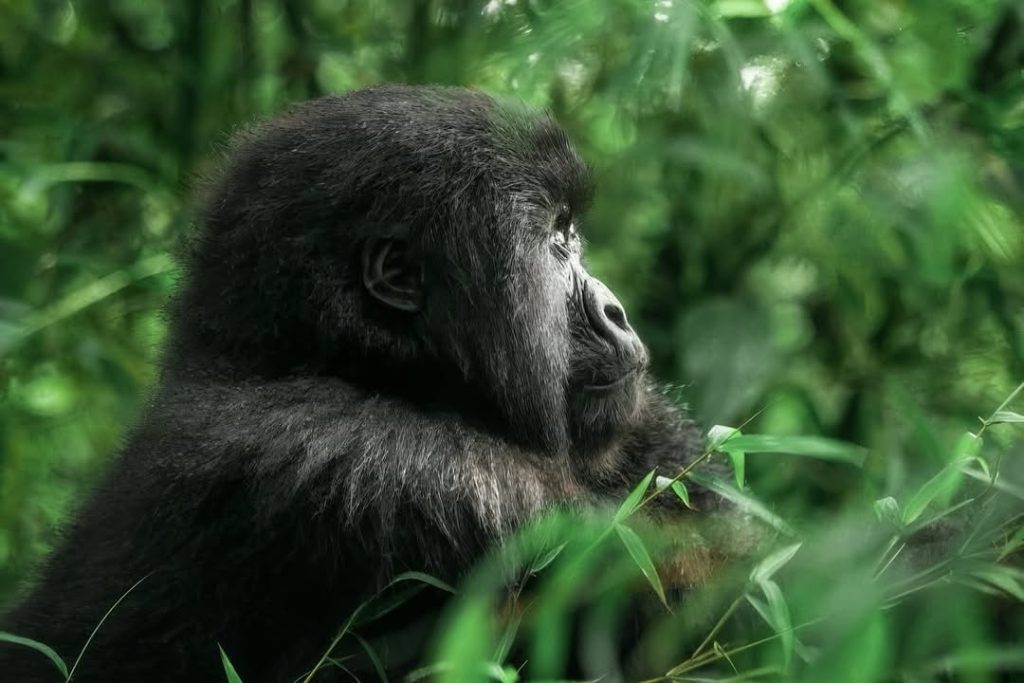
The Nyakagezi Gorilla Group typically consists of about 10 to 12 members, although the exact number can change over time due to births, deaths, or migration. The group includes several silverbacks (adult males), adult females, juveniles, and infants. One of the most remarkable features of this family is the presence of multiple silverbacks living together peacefully, which is not always common in gorilla groups where dominance is usually held by a single male.
The group’s composition reflects a balanced social unit, with younger members learning survival and social skills under the protection of the older gorillas. Infants are often seen playing under the watchful eyes of their mothers, while juveniles explore their surroundings with curiosity. This diversity in age groups provides visitors with a chance to observe a full range of gorilla behaviors, from nurturing and grooming to play and dominance displays.
Leadership within the Nyakagezi group has evolved in a unique way. For many years, the group was led by an aging but respected silverback known as Bugingo, who became famous for his longevity and calm leadership. As he grew older, leadership gradually shifted to a younger and stronger silverback named Mark, who assumed the role of dominant leader. What makes Nyakagezi particularly interesting is that Bugingo remained within the group even after stepping down, a rare occurrence since former leaders are often forced out or leave voluntarily.
This peaceful transition of leadership has allowed the group to maintain stability and cohesion, reducing conflict among members. The presence of multiple silverbacks also strengthens the group’s protection against external threats, such as rival males or predators. Overall, the leadership dynamics of Nyakagezi demonstrate a unique balance of authority, cooperation, and tolerance, making it one of the most intriguing gorilla families to study and observe in the wild.
The Nyakagezi Gorilla Group is known for its calm and cooperative behavior, which enhances the trekking experience for visitors. Members of the group engage in daily activities such as feeding, grooming, resting, and social interaction. Grooming plays an important role in maintaining social bonds, while playful interactions among juveniles and infants add a lively element to the group’s dynamics.
Despite their generally peaceful nature, the gorillas still display natural behaviors such as chest-beating, vocalizations, and territorial awareness, especially from the dominant silverback. These behaviors serve as communication tools within the group and signals to potential threats. The stability, social harmony, and fascinating interactions within the Nyakagezi family make it a truly special group, offering valuable insights into the complex social lives of mountain gorillas.
Tracking the Nyakagezi Gorilla Family in Mgahinga Gorilla National Park offers a uniquely intimate and less crowded gorilla trekking experience compared to other destinations in the region. Because this is the only habituated group in the park, visitor numbers are limited, allowing for a more personal and uninterrupted encounter with the gorillas. The group itself is known for its calm temperament and fascinating social structure, including the rare presence of multiple silverbacks living together peacefully. This creates a rich and engaging experience, where visitors can observe a wide range of natural behaviors—from playful juveniles and nurturing mothers to the quiet authority of the dominant silverback—without the pressure of large crowds.
Another compelling reason to track the Nyakagezi family is the reliability and scenic beauty that accompany the experience. In recent years, the group has settled more consistently within Mgahinga, increasing the chances of successful sightings. The trek itself takes you through diverse habitats, including bamboo forests and montane vegetation, all set against the stunning backdrop of the Virunga volcanoes. Beyond the adventure, trekking this family directly contributes to conservation efforts and supports local communities, making it not just a memorable wildlife encounter but also a meaningful way to participate in the protection of endangered mountain gorillas.