The Batwa Trail in Mgahinga Gorilla National Park offers visitors a rare opportunity to experience the culture, history, and traditional lifestyle of the Batwa people, the original inhabitants of the Virunga forests. The trail begins at the base of Muhavura Volcano and winds through lush montane forests, bamboo groves, and small streams, providing both a scenic walk and a cultural journey. Unlike standard nature trails, the Batwa Trail is led by Batwa guides, who share stories of their ancestors, demonstrate survival skills, and explain how the forest sustained their communities for centuries. Visitors learn about hunting techniques, the use of medicinal plants, and the Batwa’s deep connection to the forest ecosystem, making it a rich cultural and ecological experience.
The Batwa people are one of the oldest indigenous communities of Central Africa, often referred to as the “people of the forest.” Historically, they lived as hunter-gatherers in the dense forests of the Virunga Mountains, including the areas now known as Mgahinga Gorilla National Park and Bwindi Impenetrable National Park. The Batwa relied entirely on the forest for survival, using it as a source of food, medicinal plants, and materials for shelter. They hunted small animals, collected honey, gathered fruits and roots, and crafted everyday tools from bamboo and wood. Beyond meeting their physical needs, the forest was central to their spiritual and cultural life. Sacred sites, such as caves and groves, were used for rituals, community decision-making, and as refuges during conflicts. The Batwa developed an intricate understanding of the forest ecosystem, knowing which plants were edible, which had medicinal properties, and how to coexist peacefully with wildlife, including gorillas.
Today, the Batwa are a marginalized group, largely due to their displacement following the establishment of national parks in Uganda, Rwanda, and the Democratic Republic of Congo in the late 20th century. When Mgahinga and Bwindi were gazetted as protected areas in 1991, the Batwa were forced to leave their ancestral homes and adapt to life in villages outside the forests. This transition stripped them of their traditional lifestyle and access to forest resources, leaving many with limited economic opportunities. Despite these challenges, the Batwa have maintained their cultural identity and knowledge through initiatives like the Batwa Trail, where they share their history, survival techniques, and customs with visitors. Through such programs, the Batwa continue to educate the world about their heritage while gaining employment and preserving their connection to the forest they once called home.
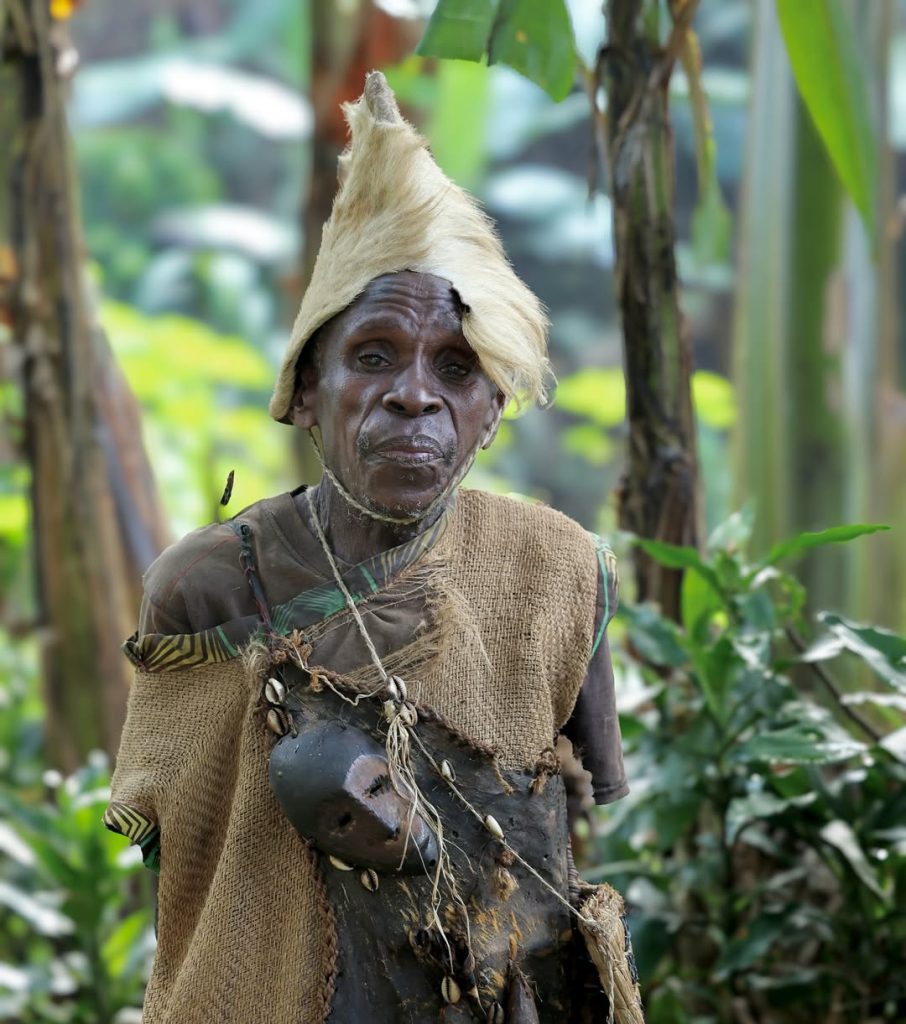
The Batwa Trail in Mgahinga Gorilla National Park begins at the base of Muhavura Volcano, near the Ntebeko Visitor Centre. The trail is guided by Batwa members, who provide visitors with a unique opportunity to walk through the forest as the Batwa once did. Before setting off, guides often perform a short ritual at a traditional hut, kneeling to honor the forest and ask for blessings on the journey—a practice that reflects the Batwa’s deep spiritual connection with nature. From the very start, trekkers are immersed in the dense montane and bamboo forests, with clearings that allow views of the Virunga volcanoes, including Mount Gahinga and Mount Muhavura.
As visitors follow the trail, the forest comes alive with experiences of both nature and culture. Along the way, the Batwa guides demonstrate traditional hunting techniques, methods of gathering honey, and the collection of medicinal plants. Tourists are introduced to the forest “pharmacy,” where plants and roots that were once used to treat malaria, wounds, skin infections, and other ailments are explained in detail. Guests also see how the Batwa made everyday items from bamboo, such as cups and utensils, and are often invited to try fire-making by friction—a hands-on demonstration that showcases ancient survival skills. Birds, monkeys, and other wildlife add to the richness of the trek, making it both an educational and visually captivating experience.
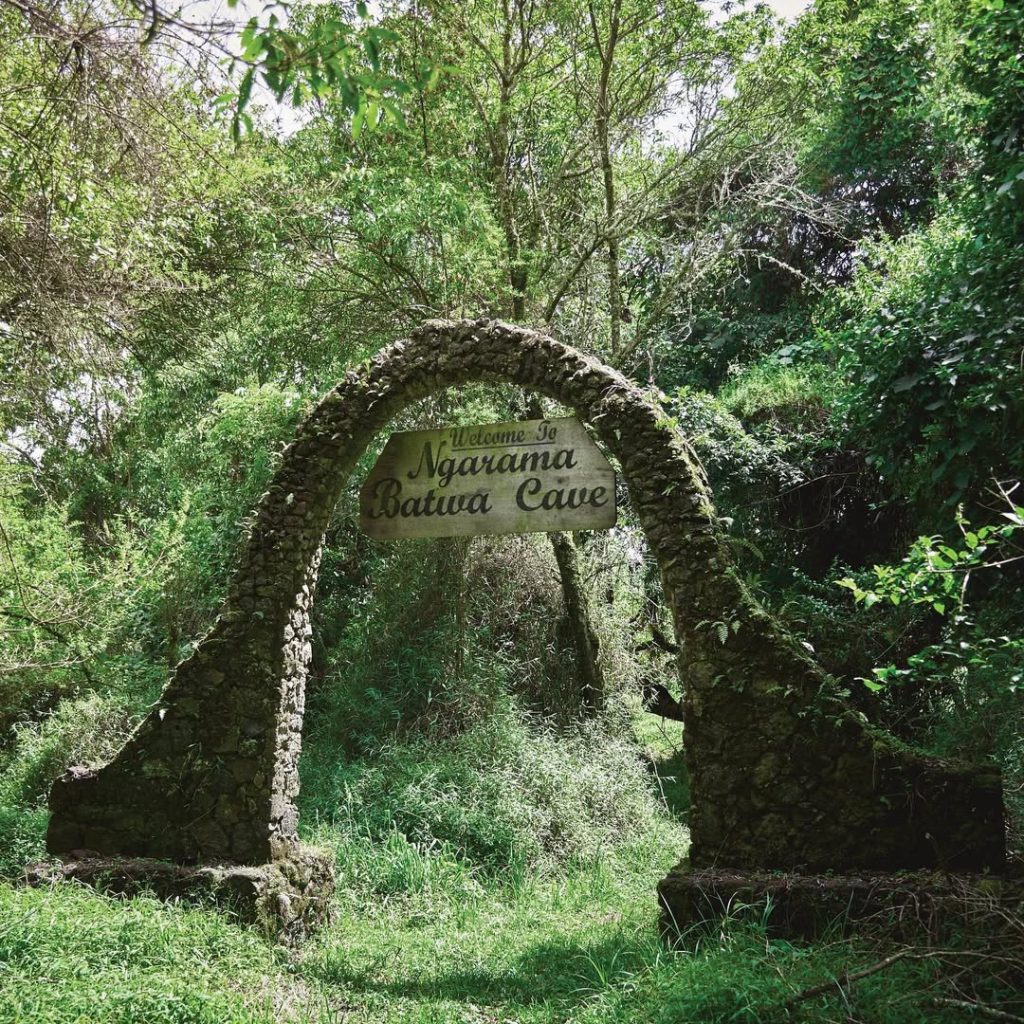
The trail culminates at Ngarama Cave, a sacred site that once served as the Batwa King’s residence, a royal court, and a refuge during conflicts. Here, tourists witness the Batwa performing traditional songs and dances, recounting stories of life in the forest, and demonstrating cultural practices that were central to their existence. The descent to the cave allows visitors to reflect on the Batwa’s history and their deep connection with the forest. By completing the trail, travelers gain not only a deeper understanding of Batwa culture but also contribute to the community’s sustainable livelihoods, as part of the trail fees support local Batwa development projects. The Batwa Trail is therefore a journey that combines cultural education, environmental awareness, and a unique hands-on experience that cannot be found anywhere else.
The Batwa people were once the nomadic forest dwellers of the Virunga Mountains, living entirely off the land as hunter-gatherers. When Mgahinga and Bwindi National Parks were established, they were forced to abandon their traditional lifestyle and resettle in nearby villages. Today, many Batwa face economic challenges, working on local farms or taking on casual labor to make a living. The Batwa Trail was created not only as a cultural experience for visitors but also as a way to share their rich heritage and traditional forest knowledge, offering a glimpse into how they once survived in harmony with nature.
Along the trail, Batwa guides lead visitors through the forest, explaining their ancestral ways of life. Guests learn about hunting methods, honey gathering, and forest survival skills that sustained their communities for generations. The guides also showcase the use of medicinal plants, illustrating how different roots, leaves, and barks were applied to treat illnesses or injuries. Visitors even witness practical skills such as making bamboo cups and tools, demonstrating the resourcefulness and ingenuity that allowed the Batwa to thrive in the forest for centuries.
The trail culminates at Ngarama Cave, a sacred site that once served as the residence of the Batwa King and a place of ceremony, justice, and refuge. Here, the Batwa women perform traditional dances and songs, inviting visitors to participate and experience the rhythm and spirit of their culture. Walking the trail offers more than sightseeing—it is an immersive encounter with the Batwa’s history, resilience, and enduring connection to the forest, allowing travelers to understand the lives of one of Africa’s oldest indigenous communities.