
Hiking Mount Gahinga: A Complete Guide to Uganda’s Gentle Volcano Adventure
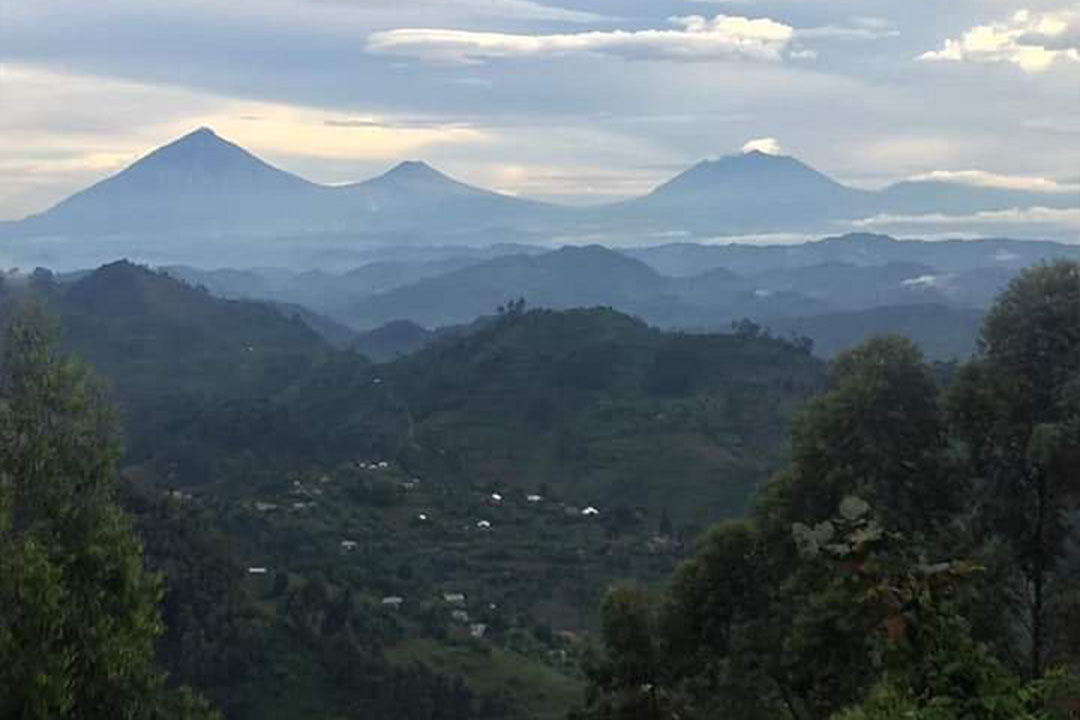
Rising gracefully within the breathtaking landscapes of Mgahinga Gorilla National Park, Mount Gahinga offers one of the most rewarding and accessible volcano hikes in Uganda. Unlike its towering neighbor Mount Muhabura, Mount Gahinga is gentler in elevation but equally rich in natural beauty, cultural heritage, and unique ecosystems. Standing at 3,474 meters above sea level, this extinct volcano forms part of the dramatic Virunga Mountains, a chain that stretches across Uganda, Rwanda, and the Democratic Republic of Congo. For travelers seeking a less strenuous yet deeply immersive hiking experience, Mount Gahinga presents the perfect balance of adventure and comfort.
The hike begins in a lush montane forest, where the air is crisp and filled with the sounds of birds and rustling bamboo. As you ascend, the landscape transitions into dense bamboo zones—an important habitat for the endangered mountain gorillas that inhabit the park. This section of the trail is both enchanting and symbolic, offering a glimpse into the delicate ecosystems that make this region globally significant. Guided by experienced rangers, hikers not only enjoy the scenic beauty but also gain valuable insights into conservation efforts and the traditions of the indigenous Batwa people, who have lived in harmony with these forests for generations.
One of the most captivating features of Mount Gahinga is its swamp-filled crater at the summit, a rare and fascinating sight that sets it apart from other volcano hikes in East Africa. Reaching the top typically takes about 4 to 6 hours, depending on pace and trail conditions, making it an achievable trek for moderately fit travelers. Along the way, hikers are rewarded with panoramic views of the surrounding volcanoes, rolling hills, and distant valleys that stretch across international borders.
Hiking Mount Gahinga is more than just a physical journey—it’s an opportunity to connect with nature, culture, and the raw beauty of Uganda’s highlands. Whether you are an avid trekker or a first-time hiker looking for an unforgettable experience, this trail offers a unique window into one of Africa’s most stunning and ecologically rich regions.
The Meaning and Beauty of Mount Gahinga
The name “Gahinga” comes from the local Kinyarwanda word meaning “a pile of stones,” reflecting the volcano’s rocky summit and ancient volcanic origins. The mountain is part of the eight Virunga volcanoes that form a dramatic chain across East Africa. Its landscapes are dominated by thick bamboo forests at the lower slopes, transitioning into Hagenia-hypericum vegetation and eventually alpine moorlands near the summit. This ecological variation makes the hike visually stunning from start to finish.
Starting the Hike: Mgahinga Gorilla National Park Headquarters
The journey begins at the park headquarters in Ntebeko, where hikers are briefed by rangers before setting off. Here, you register for permits, meet your guides, and receive a safety briefing about wildlife encounters and hiking expectations. The trek is always guided by Uganda Wildlife Authority rangers who are familiar with the terrain and animal behavior, ensuring a safe and informative experience.
The Hiking Experience on Mount Gahinga
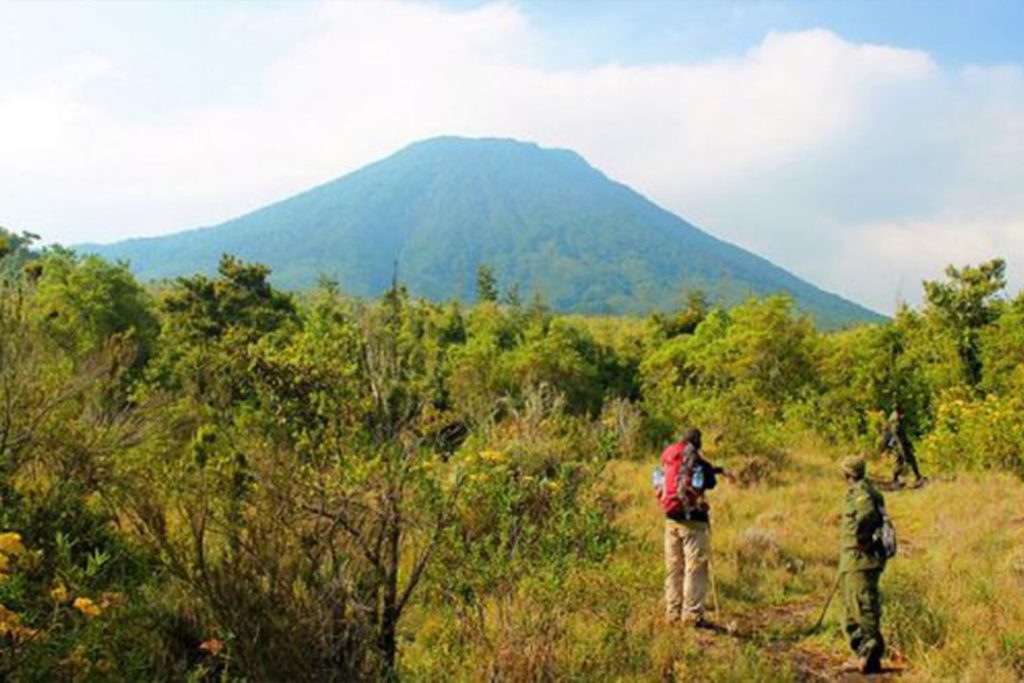
The hike typically takes between 6 to 8 hours round trip, depending on fitness levels and weather conditions. The trail starts with a gentle ascent through cultivated farmland before entering dense bamboo forest. This section is particularly enchanting, as bamboo groves sway in the wind and create a calm, shaded environment.
As you climb higher, you may encounter wildlife such as golden monkeys, duikers, and a variety of bird species. Mount Gahinga is especially famous for its population of golden monkeys, which are endemic to the Virunga region. Birdwatchers also enjoy sightings of rare species like the Rwenzori turaco and various sunbirds.
Bamboo Forest and Swampy Gahinga Crater
One of the highlights of the hike is the Gahinga swamp crater, a 7 km-wide caldera filled with dense vegetation and swampy terrain. The crater is believed to be dormant and is now covered with lush swamp plants and small ponds. Walking through this area feels like entering a hidden natural world, untouched and peaceful.
The bamboo forest section is also a favorite among hikers, not only for its beauty but also because it provides a cool, shaded environment that makes the climb more manageable.
Reaching the Summit of Mount Gahinga
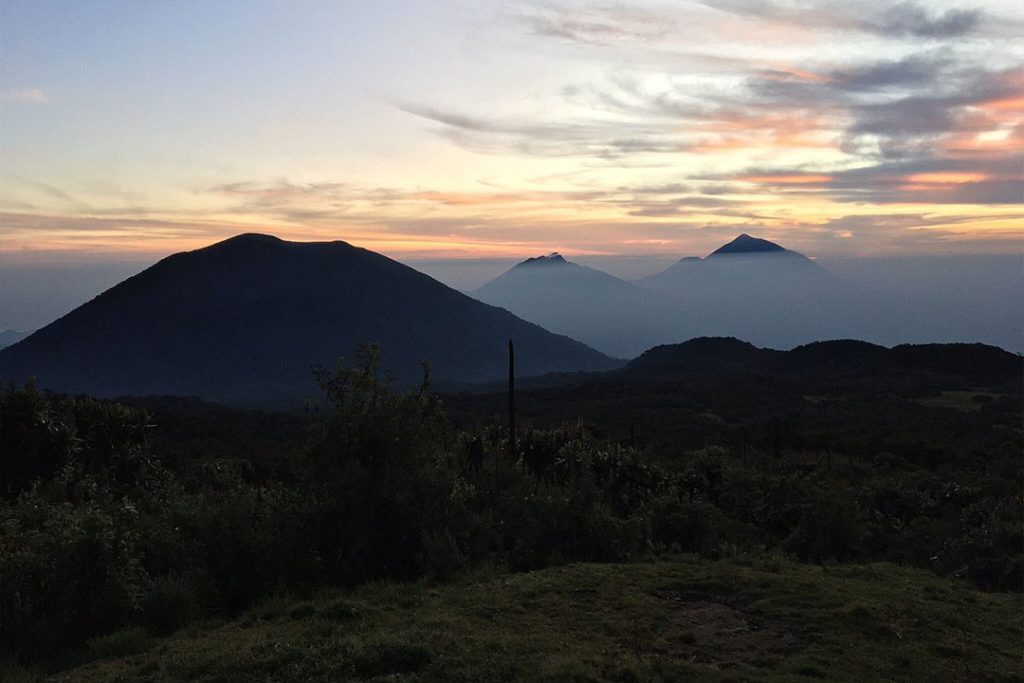
The final ascent becomes steeper but remains less demanding compared to other Virunga volcano hikes. At the summit, hikers are rewarded with breathtaking panoramic views of the Virunga range, including Mount Muhabura, Mount Sabyinyo, and sometimes even the distant peaks of Rwanda and Congo on clear days.
Standing at the top feels like being on a natural balcony overlooking three countries. The sense of accomplishment is complemented by the tranquility and silence of the volcanic peak.
Best Time to Hike Mount Gahinga
The best time for Hiking Mount Gahinga is during the dry seasons, from June to September and December to February. During these months, trails are less slippery, visibility is clearer, and wildlife sightings are more frequent. However, the mountain can be hiked year-round with proper gear, as the rainforest climate means occasional rain is always possible.
What to Pack for the Hike
For a successful climb, hikers should carry waterproof hiking boots, a light rain jacket, gloves, long trousers, and a daypack with snacks and water. Because the terrain includes bamboo forests and swampy sections, trekking poles are highly recommended. It is also advisable to bring a camera, as the scenery is exceptionally photogenic.
Difficulty Level and Fitness Requirements
Mount Gahinga is considered a moderate hike, suitable for beginners with reasonable fitness levels. Unlike more demanding climbs such as Mount Muhabura, Gahinga’s gradual slopes make it more accessible while still offering a rewarding mountain experience. Regular breaks are included, and guides adjust the pace depending on the group.
Conservation and Cultural Significance
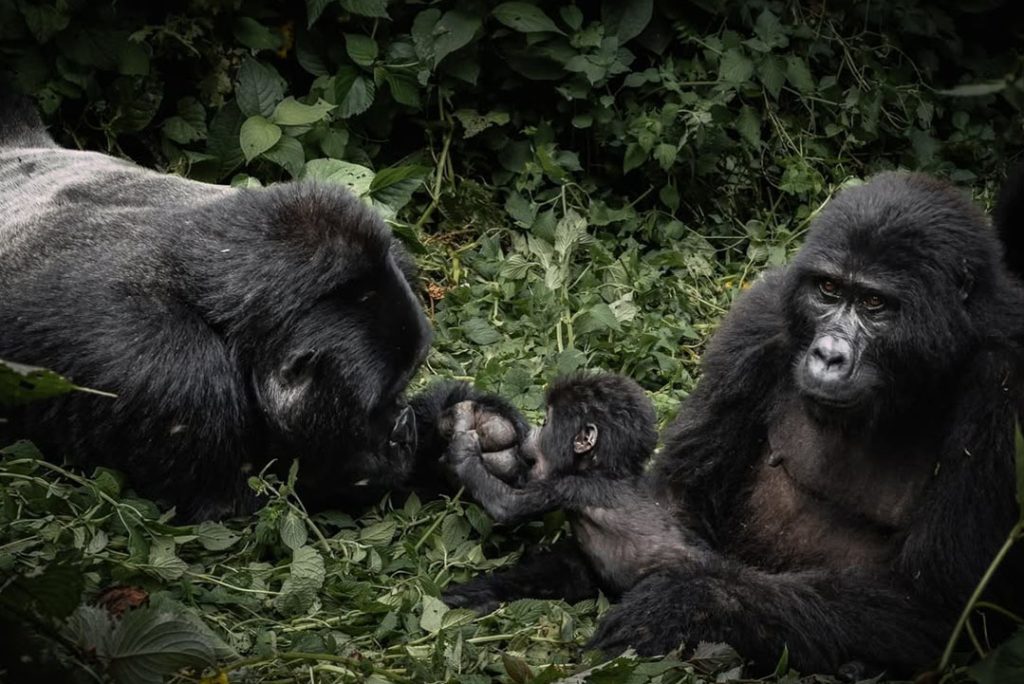
Rising within Mgahinga Gorilla National Park, Mount Gahinga holds deep conservation and cultural significance that goes far beyond its scenic beauty. Ecologically, the mountain forms part of the greater Virunga Conservation Area, a critical transboundary ecosystem shared by Uganda, Rwanda, and the Democratic Republic of Congo, which supports endangered species such as the mountain gorilla and golden monkeys. Its bamboo forests and afro-montane vegetation provide essential habitat and corridors for wildlife movement, making conservation efforts here vital for regional biodiversity. Culturally, Mount Gahinga is closely tied to the traditions of the indigenous Batwa people, who once lived in these forests as hunter-gatherers before the park was gazetted. For the Batwa, the mountain is not just land but a sacred ancestral home filled with spiritual meaning, traditional knowledge, and identity. Today, conservation initiatives increasingly aim to balance environmental protection with cultural preservation by involving local communities in tourism, storytelling, and heritage experiences, ensuring that both the natural ecosystem and the human history of Mount Gahinga are respected and sustained.
Final Thoughts
Hiking Mount Gahinga is more than just a physical adventure—it is a journey through volcanic history, lush biodiversity, and cultural heritage. Whether you are a seasoned hiker or a first-time volcano climber, Gahinga offers a peaceful yet enriching experience in one of Uganda’s most beautiful national parks.