
Batwa Cultural Trail Experience: A Deep Journey Into Uganda’s Indigenous Forest Heritage
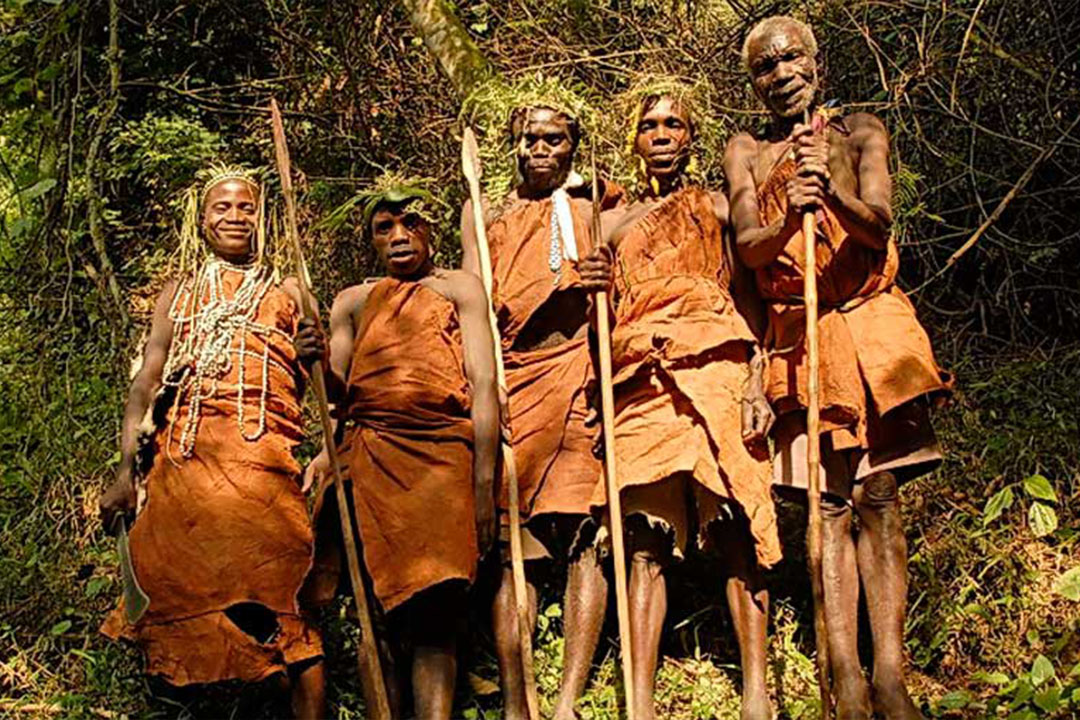
The Batwa Cultural Trail Experience is one of the most meaningful cultural encounters in southwestern Uganda. Located around Mgahinga Gorilla National Park, this guided experience allows visitors to step into the ancient world of the Batwa people—often referred to as the “keepers of the forest.” Long before the park was established, the Batwa lived deep within the rainforest as hunter-gatherers, relying entirely on the forest for food, medicine, shelter, and spiritual connection. Today, the Batwa Cultural Trail offers a powerful, emotional, and educational journey that preserves their heritage while supporting their community.
Who Are the Batwa People?
Have you heard about the “people of the forest”? Have you had the chance to meet them during your visit to Bwindi Impenetrable National Park and Mgahinga National Park? When you meet them, you will clearly see the forest in their eyes and lives. With the cultural trail in Mgahinga National Park, you will be able to experience the ancient ways of the Batwa people who once lived within the forest and also explore their ancient cultures.
The Batwa were the original inhabitants of the forests before Mgahinga and Bwindi Impenetrable National Park were gazetted into National Parks in 1991. The dense forests on the foothills of Virunga Volcanoes used to be their comfortable homes where they lived as hunter-gatherers and fierce warriors depending on the forest for food, herbal medicine and food.
The Batwa Trail is an activity that is always combined with gorilla trekking in Mgahinga National Park.
What Is the Batwa Cultural Trail Experience?
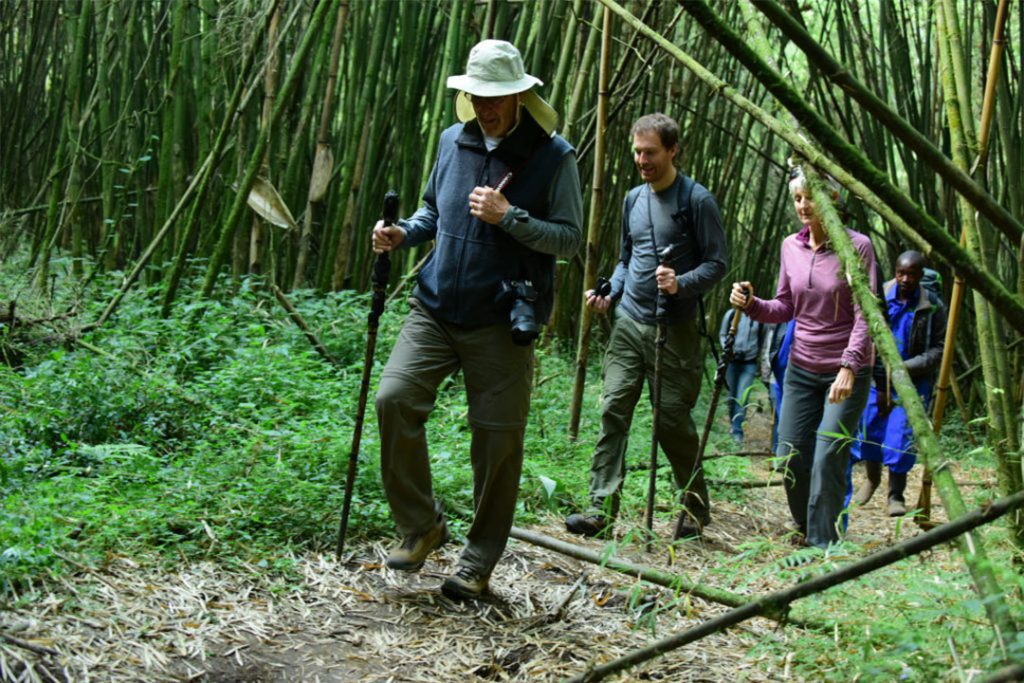
The Batwa Cultural Trail is a guided walking experience led by Batwa community members themselves. It takes place on the edges of Mgahinga Gorilla National Park and offers visitors a chance to learn directly from the people whose ancestors once called the forest home.
Unlike a typical cultural performance, this is an immersive experience where storytelling, demonstration, and interaction bring history to life. Visitors don’t just observe—they walk, listen, and experience the Batwa way of life firsthand.
What to Expect on the Trail
1. Forest Entry With Batwa Guides
Your journey begins at the park boundary, where Batwa guides welcome you and introduce you to their history. As you enter the forest, they explain how they once lived deep inside these same trees, relying on them for survival.
2. Traditional Hunting Techniques
The Batwa demonstrate how they used bows, arrows, and traps to hunt small game. These demonstrations are not only fascinating but also show how skillful and resourceful they were in using minimal tools from natural materials.
3. Herbal Medicine and Forest Knowledge
One of the most impressive parts of the trail is learning about medicinal plants. The Batwa had deep knowledge of the forest’s healing properties, treating illnesses using roots, leaves, and bark. Your guide will show you plants used for fever, stomach problems, and spiritual cleansing.
4. Fire-Making Without Modern Tools
Visitors witness how fire was traditionally made using sticks and friction techniques. This skill was essential for cooking, warmth, and protection in the forest.
5. Ancient Batwa Homes and Shelters
You will see recreated forest shelters built using grass, branches, and leaves. These demonstrate how the Batwa lived light and mobile lives, moving with the seasons and food availability.
6. Cultural Dance and Storytelling
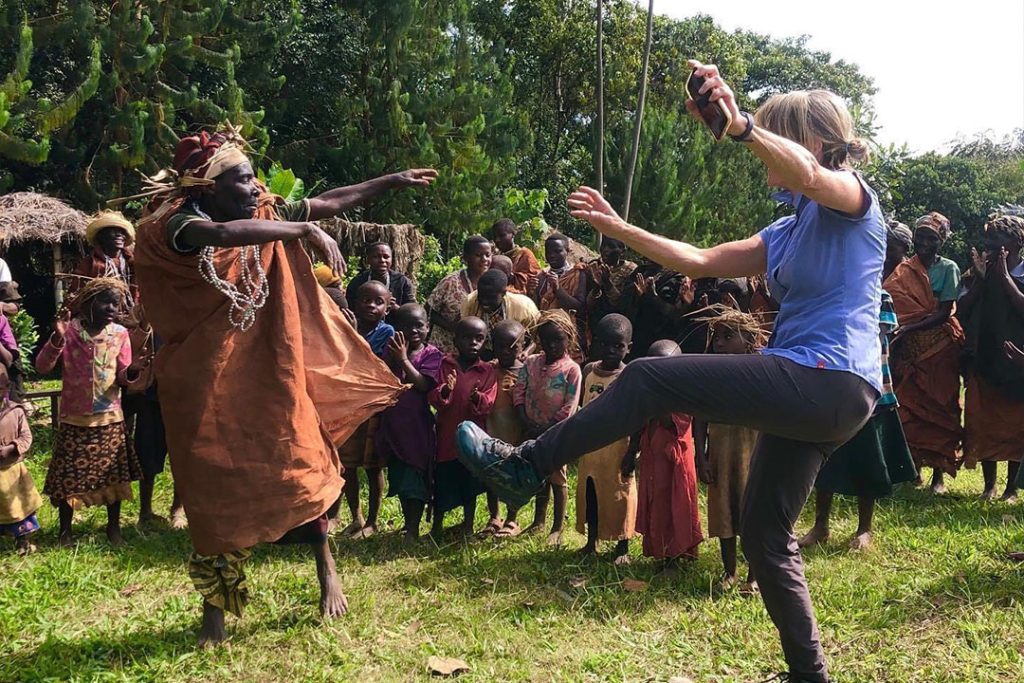
The experience often ends with powerful Batwa songs and dances. These performances tell stories of survival, loss, and connection to the forest. The music is emotional and deeply rooted in oral tradition.
Why the Batwa Cultural Trail Is Important
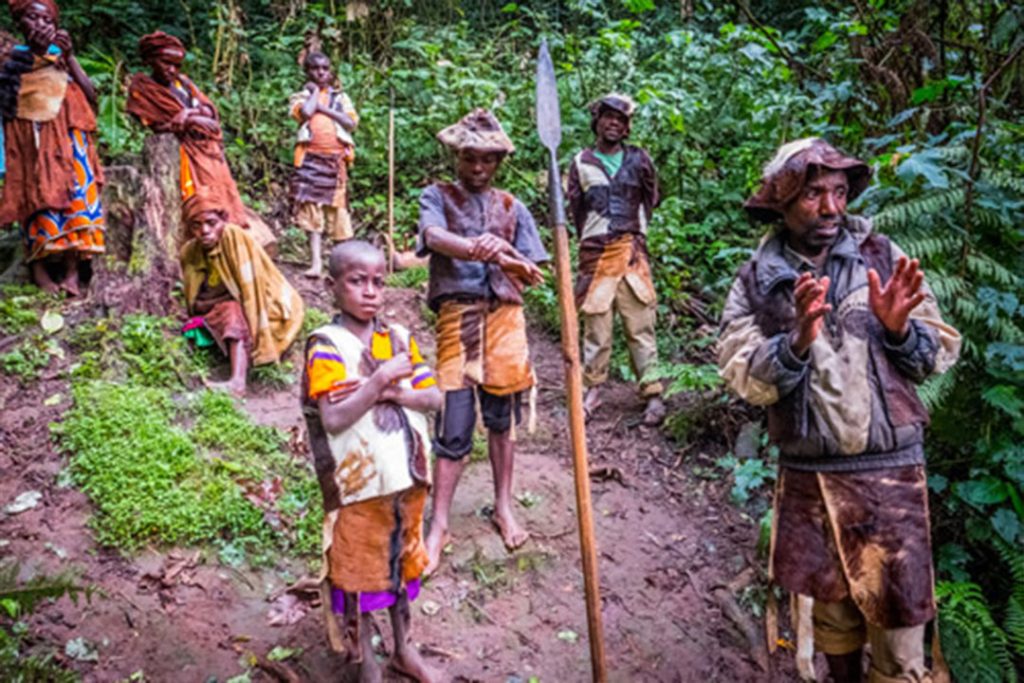
During the eviction, these people were not evicted and were forced into dropping their nomadic and bushmen lifestyle. Today these are some of the poorest Ugandans, many of them earning a living from working on local farms of other people. The Batwa Trail was developed to teach visitors about the lifestyle of these people – You will learn about how these people survived in the forest.
This walk is conducted by Batwa guides who provide insights into their traditional forest life and culture. The Batwa demonstrate their past hunting techniques; ways of gathering honey. The guides will point out the medicinal plants that were used and demonstrate how to make bamboo cups. Guests are finally invited to the sacred Ngarama Cave, once home to the Batwa King. The women of the community perform a cultural dance and you can participate in their dance.
Best Time to Experience the Batwa Cultural Trail
The best time to experience the Batwa Cultural Trail is during Uganda’s dry seasons, which run from June to September and December to February, when forest paths are less slippery and hiking conditions are more comfortable. During these months, the weather around Mgahinga Gorilla National Park is generally clear, making it easier to explore the forest trails and enjoy uninterrupted cultural demonstrations by the Batwa guides. However, the experience is available throughout the year, and visiting during the wetter months of March to May or October to November can offer a more lush, green forest atmosphere with fewer tourists, creating a more intimate and peaceful cultural encounter.
Tips for Visitors
When visiting the Batwa Cultural Trail, it is important to come prepared and respectful to fully enjoy the experience. Wear sturdy, comfortable walking shoes suitable for forest terrain, as the trail involves uneven paths and natural forest conditions. Dress in light layers and carry a waterproof jacket since weather in Mgahinga Gorilla National Park can change quickly. Bring enough drinking water and a small backpack for personal essentials, but travel light to move comfortably through the forest. Always listen carefully to your Batwa guides, respect their traditions, and avoid interrupting storytelling or demonstrations. It is also encouraged to ask questions respectfully, as the guides are very knowledgeable and eager to share their heritage. Most importantly, approach the experience with an open mind and cultural sensitivity, as this is not just a tour but a living history of one of Uganda’s oldest indigenous communities.
Final Thoughts
The Batwa Cultural Trail Experience is one of the most enriching cultural activities in Uganda. It goes beyond sightseeing and offers a deep emotional connection to history, resilience, and human survival in harmony with nature.
For travelers visiting Mgahinga Gorilla National Park, this experience is not just recommended—it is essential. It adds meaning to your safari journey and helps support a community preserving one of Africa’s oldest cultures.