
Mount Gahinga: A Complete Guide to Hiking Uganda’s Scenic Volcano
Mount Gahinga hiking Uganda
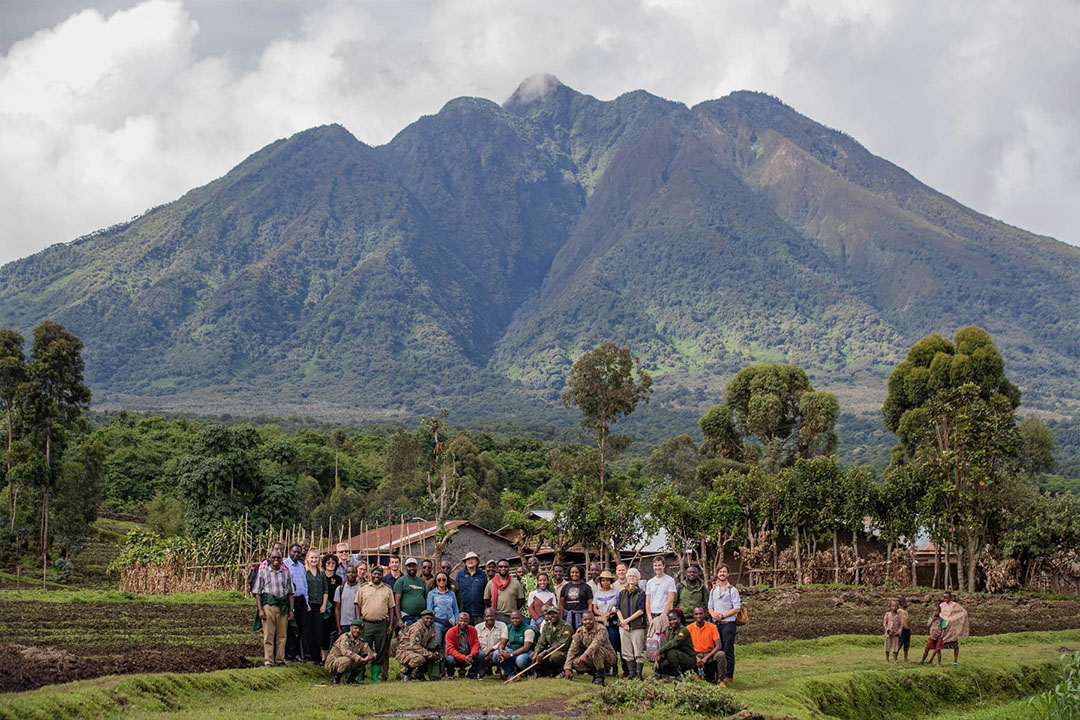
Mgahinga National Park derives its name from this volcanic mountain.This dormant/extinct volcano lies on the border between Uganda and Rwanda. Mount Gahinga lies in between Sabinyo and Muhavura and rises up to 3,474 meters.
The word Gahinga comes from the local Kinyarwanda/Rufumbira dialect meaning “a small pile of stones”. Mount Gahinga has a swampy caldera on its peak believed to be as wide as180 meters.
The vegetation across the mountain can be described as afro-montane with bamboo composing the main vegetation. Like Muhabura and Sabyinyo, the bamboo forests on Mount Gahinga are a habitat of the endangered mountain gorillas that live within the park. There are several other species of animals and birds that form part of the Mount Gahinga ecosystem. The golden monkeys are notable to these.
An ascent of Mt. Gahinga climbs through bamboo forest to reach a lush swamp which lies in the crater at the summit. The round trip from Ntebeko takes around 6 hours.
Mountain Gahinga is a dormant volcano located in the Virunga Mountains, which is a volcanic mountain range spanning across the borders of Uganda, Rwanda, and the Democratic Republic of the Congo. The Volcano is situated in the southwestern part of Uganda, near the borders with Rwanda and the Democratic Republic of the Congo. It is part of Mgahinga Gorilla National Park, a protected area that is home to a variety of wildlife, including the endangered mountain gorillas.
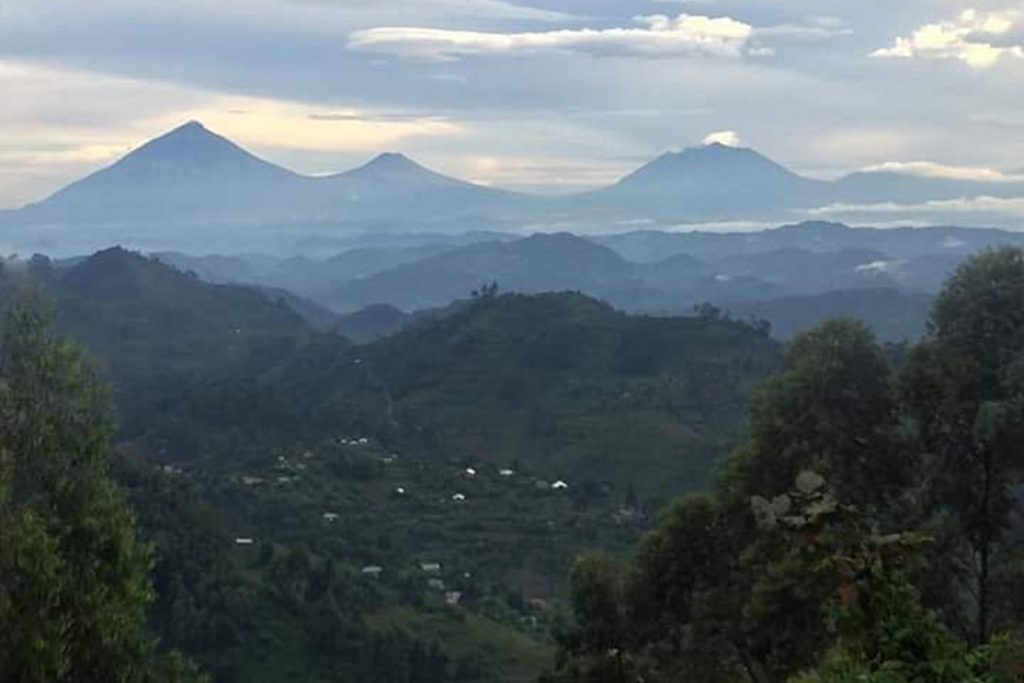
Mount Gahinga stands at an elevation of approximately 3,474 meters (11,397 feet). It is characterized by its cone-shaped summit and verdant slopes covered with bamboo forests and afro-alpine vegetation. The mountain offers stunning views of the surrounding landscapes, including the other Virunga volcanoes and the nearby Lake Mutanda.
The name “Gahinga” comes from the local language spoken by the Batwa pygmies, who were the original inhabitants of the region. “Gahinga” translates to “pile of stones” or “Small Mountain,” which is reflective of the mountain’s relatively modest height compared to its neighboring peaks.
Formation and History:
Mount Gahinga hiking Uganda, like the other peaks in the Virunga Regional Mountains, was formed by volcanic activity millions of years ago. It is part of the East African Rift System, a geological formation responsible for the creation of many of Africa’s prominent mountains and lakes. Over time, volcanic eruptions shaped the landscape and resulted in the formation of Mount Gahinga.

Gahinga a Natural Cover
Endangered Species: Mount Gahinga is home to several endangered species, including the mountain gorillas and the golden monkeys. The park is actively involved in their conservation efforts, and visitors have the opportunity to go on gorilla tracking or golden monkey trekking tours to observe these incredible creatures in their natural habitat.
In addition to the mountain gorillas and golden monkeys, Mount Gahinga is inhabited by other primate species such as the endangered chimpanzees and various species of monkeys. Guided primate walks and treks are available to see these primates up close.
Mount Gahinga boasts a rich diversity of bird species, making it a fantastic destination for birdwatchers. You can spot numerous colorful and rare bird species, including the Rwenzori turaco, crowned hornbill, Short-tailed Warbler, Red-headed Bluebill, Regal sunbird, blue headed sunbird and several Albertine Rift endemics. Knowledgeable guides can lead you on birding excursions, helping you identify and appreciate the avian diversity of the region.
Mount Gahinga is surrounded by communities with rich cultural heritage. You can engage in cultural experiences, such as visiting the Batwa pygmies and learning about their traditional way of life, participating in community walks, and experiencing traditional dances, music and art crafts by the local inhabitant Batwa people.
The mountain is part of the Virunga Mountain chain which are home to several volcanoes. If you’re up for a more challenging adventure, you can embark on a multi-day trek to climb one of the volcanoes, such as Mount Muhabura or Mount Sabinyo. These climbs offer breathtaking views and an exhilarating experience.
Best Trails and Hiking:
There are several trails available for hiking on Mount Gahinga, catering to different levels of difficulty and preferences. The most popular trail is the Gahinga Trail, which takes you to the summit of the mountain.
This trail usually takes around six to eight hours to complete round trip. Another notable trail is the Sabinyo Gorge Trail, which takes you through a beautiful gorge and offers scenic views. Gahinga’s slopes are covered in lush vegetation, including bamboo forests, montane forests, and heathland. The hike provides stunning panoramic views of the surrounding landscapes, including the other Virunga volcanoes and the nearby lakes. Mgahinga Gorilla National Park is also home to a variety of wildlife, including mountain gorillas, golden monkeys, various bird species, and other primates
Cultural Experiences: Mount Gahinga is surrounded by communities with rich cultural heritage. You can engage in cultural experiences, such as visiting the Batwa pygmies and learning about their traditional way of life, participating in community walks, and experiencing traditional dances and music.
Volcano Climbing: Mount Gahinga is part of the Virunga Mountains, which are home to several volcanoes. If you’re up for a more challenging adventure, you can embark on a multi-day trek to climb one of the volcanoes, such as Mount Muhabura or Mount Sabinyo. These climbs offer breathtaking views and an exhilarating experience.

What to Do on the Mountain:
Besides hiking, Mount Gahinga offers other activities for visitors:
One of the main highlights is gorilla trekking in Mgahinga Gorilla National Park, where you can have an up-close encounter with the endangered mountain gorillas. Additionally, you can explore the park’s diverse flora and fauna, go bird watching, or engage in cultural experiences with the local Batwa community.
What to Pack:
When preparing to hike Mount Gahinga in Mgahinga Gorilla National Park, it’s important to pack smart for changing mountain conditions. Bring sturdy, waterproof hiking boots for the often muddy trails, along with long-sleeved clothing and trousers to protect against vegetation and insects. A lightweight rain jacket is essential due to unpredictable weather, while a small backpack should carry enough drinking water, energy snacks, and a packed lunch. Don’t forget gardening gloves for gripping vegetation on steeper sections, a walking stick for support, and sunscreen plus a hat for sun protection. Binoculars and a camera will enhance your experience, especially for spotting wildlife like golden monkeys, and carrying a basic first-aid kit ensures you’re prepared for minor emergencies during the hike.
Why Choose Mount Gahinga?
Mount Gahinga is perfect for travelers who want a rewarding volcano hike without the extreme challenge of higher peaks. Its relatively short duration, diverse ecosystems, and unique crater swamp make it a hidden gem in Uganda’s nature tourism.
Final Thoughts
Mount Gahinga hiking Uganda
Hiking Mount Gahinga is more than just reaching the summit—it’s about immersing yourself in one of East Africa’s most beautiful and biodiverse landscapes. Whether you’re a seasoned adventurer or a first-time hiker, this volcano offers a memorable experience that combines nature, culture, and adventure in one incredible journey.
If you’re planning a safari, adding Mount Gahinga to your itinerary will give your Uganda trip an unforgettable edge.