
Hiking the Virunga Volcanoes: Trails, Peaks, and Wildlife Experiences
Hiking the Virunga Volcanoes
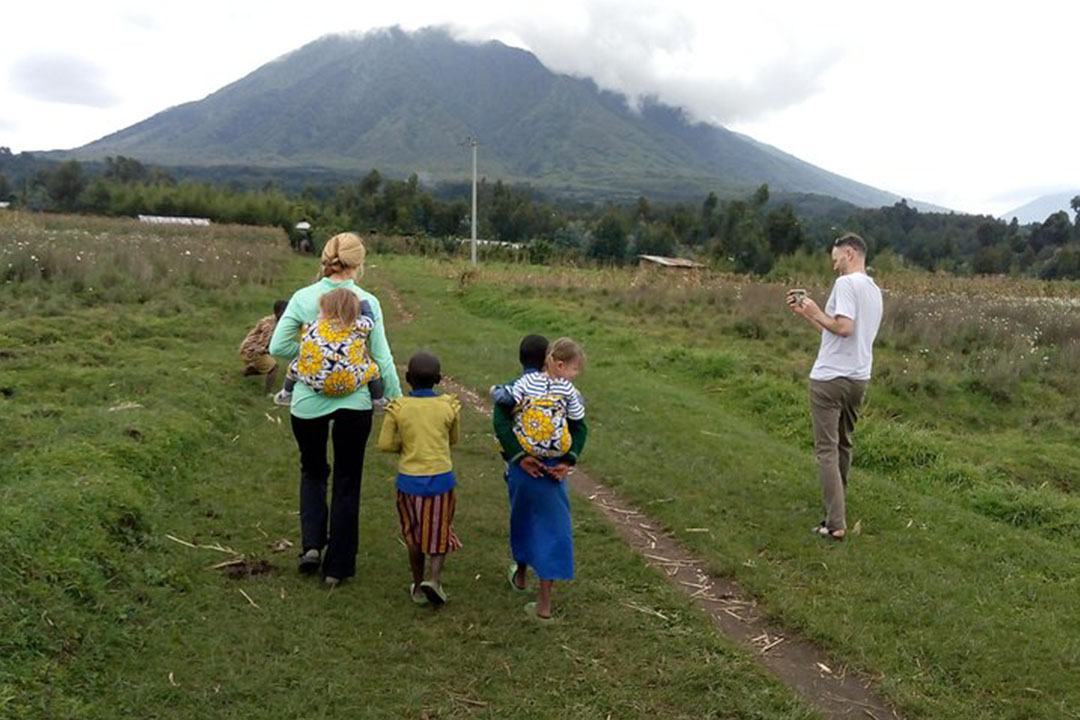
The Virunga Volcanoes are among Africa’s most dramatic and biodiverse mountain ranges, stretching across the borders of Uganda, Rwanda, and the Democratic Republic of the Congo. Part of the larger Albertine Rift, these ancient volcanic mountains form a chain of eight major peaks that rise majestically above lush forests, offering breathtaking scenery, rare wildlife encounters, and some of the most rewarding trekking experiences in Africa.
Overview of the Virunga Volcanoes
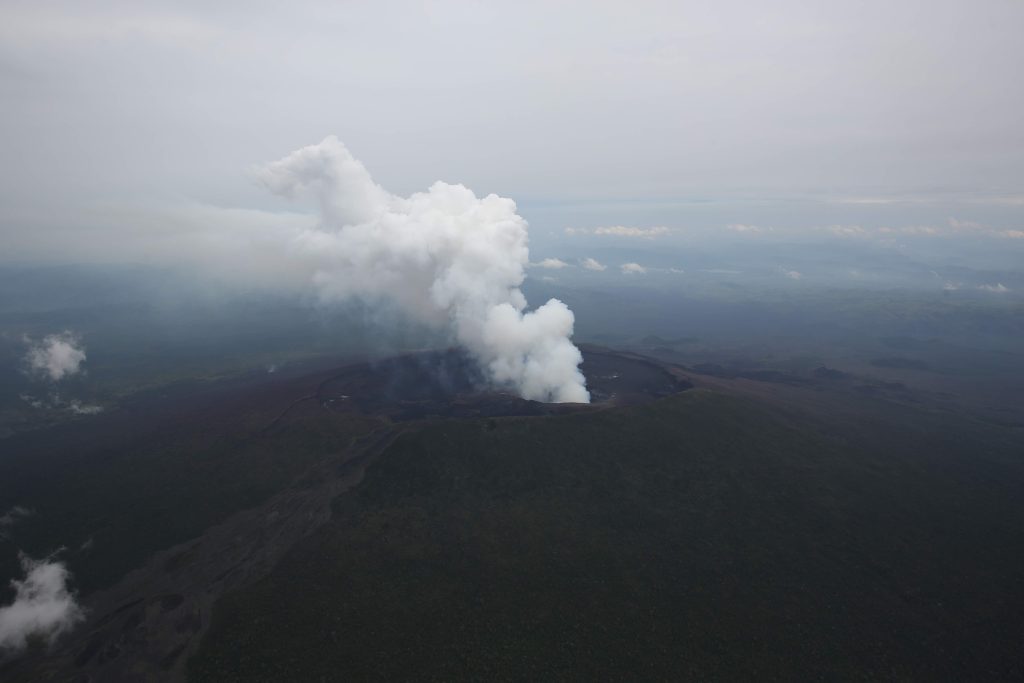
The Virunga range is composed of eight volcanoes: Mount Karisimbi, Mount Mikeno, Mount Bisoke, Mount Sabyinyo, Mount Gahinga, Mount Muhabura, Mount Nyiragongo, and Mount Nyamuragira. These volcanoes vary in height and activity, with some extinct, others dormant, and a few still active—most notably Mount Nyiragongo, famous for its persistent lava lake.
The name “Virunga” is derived from a local word meaning “volcanoes,” and the region is globally recognized for its ecological importance and stunning landscapes.
Where Are the Virunga Volcanoes Located?
The Virunga Mountains, often referred to as the Virunga Volcanoes, are located in East-Central Africa along the borders of three countries: Uganda, Rwanda, and the Democratic Republic of the Congo. This dramatic chain of volcanic mountains forms part of the western branch of the East African Rift Valley and consists of eight major volcanoes, including Mount Karisimbi, Mount Bisoke, Mount Muhabura, Mount Gahinga, and Mount Sabyinyo. The range stretches across several protected areas, notably Mgahinga Gorilla National Park in Uganda, Volcanoes National Park in Rwanda, and Virunga National Park in the DRC. Renowned for their breathtaking landscapes, dense montane forests, and rich biodiversity, the Virunga Volcanoes are especially famous as one of the last remaining habitats of the endangered mountain gorilla, making the region a globally significant destination for conservation and eco-tourism.
Wildlife and Biodiversity
The Virunga Mountains are a biodiversity hotspot and one of the last remaining habitats of the endangered Mountain Gorilla. Gorilla trekking is the most iconic activity in the region, drawing visitors from around the world for a chance to observe these gentle giants in their natural environment.
Beyond gorillas, the region is home to golden monkeys, forest elephants, buffaloes, and a wide range of bird species. The vegetation changes with altitude, from dense tropical forests to bamboo zones and afro-alpine moorlands, creating diverse habitats that support this rich wildlife.
Top Activities in the Virunga Volcanoes
Gorilla Trekking
Gorilla trekking is the most iconic and sought-after activity in the Virunga Volcanoes, offering a once-in-a-lifetime opportunity to encounter endangered mountain gorillas in their natural habitat. Taking place in protected areas such as Mgahinga Gorilla National Park, Volcanoes National Park, and Virunga National Park, this adventure begins with an early morning briefing before experienced guides lead small groups deep into dense forests in search of habituated gorilla families. The trek can range from a few hours to a full day, depending on the gorillas’ movements, but the reward is extraordinary—spending a magical hour observing these gentle giants as they feed, play, and interact. Along the way, trekkers are immersed in breathtaking scenery, from mist-covered slopes to bamboo forests, while also encountering other wildlife and bird species. Gorilla trekking not only provides a thrilling and intimate wildlife experience but also contributes significantly to conservation efforts and supports local communities living around the Virunga region.
Volcano Hiking
Virunga Mountains offer some of the most dramatic volcanic landscapes in East Africa, making volcano hiking one of the top activities in the region. Adventurers can explore a chain of ancient dormant volcanoes that stretch across Uganda, Rwanda, and the Democratic Republic of Congo, each offering unique trails, biodiversity, and breathtaking summit views. Volcano hiking here is not just about reaching the peak—it is an immersive journey through dense bamboo forests, montane vegetation, and alpine zones where rare species such as golden monkeys and mountain gorillas may be encountered along the way. Peaks like Mount Sabyinyo, Mount Gahinga, and Mount Muhabura present varying levels of difficulty, rewarding hikers with panoramic views of the three countries meeting at the summit ridges. The experience combines physical challenge with rich ecological and cultural encounters, making it one of the most unforgettable adventure activities in East Africa.
Cultural Experiences
The Virunga Volcanoes region, stretching across Uganda, Rwanda, and the Democratic Republic of Congo, offers one of East Africa’s most diverse blends of adventure and cultural immersion. In the heart of this breathtaking landscape lies Mgahinga Gorilla National Park, where visitors can experience world-class activities such as gorilla trekking, golden monkey tracking, and challenging hikes up volcanic peaks like Mount Sabyinyo, Mount Gahinga, and Mount Muhabura. Each adventure reveals dramatic scenery of bamboo forests, alpine zones, and sweeping views across the Virunga ranges. Beyond wildlife and hiking, the region is equally rich in cultural experiences, especially through interactions with the Batwa community, the indigenous forest people who once lived inside the park. Visitors can enjoy traditional dance performances, storytelling sessions, craft demonstrations, and guided cultural walks that showcase ancient survival techniques and deep forest knowledge. Local cuisine and village visits further enrich the experience, offering a genuine connection to Uganda’s heritage. Together, the natural beauty and cultural encounters make the Virunga Volcanoes a truly unforgettable destination for travelers seeking both adventure and authenticity.

Best Time to Visit
The best time to explore the Virunga Volcanoes is during the dry seasons, from June to September and December to February. During these months, hiking trails are more accessible, and wildlife viewing conditions are ideal. However, the region can be visited year-round, with the rainy seasons offering lush scenery and fewer crowds.
Conservation Efforts
Hiking the Virunga Volcanoes, which includes peaks such as Mount Sabinyo, Mount Gahinga, and Mount Muhabura, is part of the larger Virunga Conservation Area and is globally recognized for its exceptional biodiversity and as the last stronghold of the endangered mountain gorilla. Conservation efforts here are largely focused on protecting wildlife habitats, preventing poaching, and supporting sustainable tourism that benefits local communities living around protected areas like Mgahinga Gorilla National Park. Organizations and park authorities work closely with communities through revenue-sharing programs, education initiatives, and alternative livelihood projects to reduce dependence on natural resources within the parks. Additionally, cross-border collaboration between Uganda, Rwanda, and DR Congo has strengthened anti-poaching patrols and habitat monitoring, ensuring that wildlife can move safely across the volcanic ranges. These combined efforts not only safeguard iconic species like mountain gorillas and golden monkeys but also preserve the unique montane forests and volcanic ecosystems that define the Virunga landscape.
Why Visit the Virunga Volcanoes?
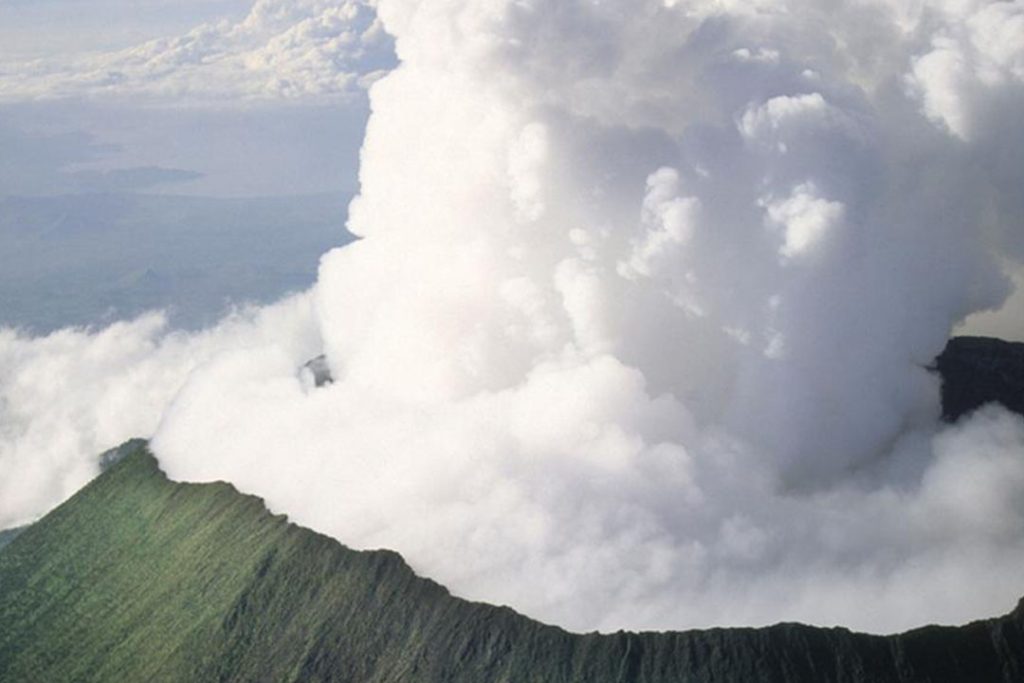
Hiking the Virunga Volcanoes offer an extraordinary combination of adventure, wildlife, and natural beauty. Whether you’re trekking through misty forests in search of gorillas, climbing volcanic peaks, or immersing yourself in local culture, the experience is truly unforgettable.
For travelers seeking a unique African adventure, the Virunga Mountains stand out as a destination that delivers both thrill and purpose—where every journey contributes to preserving one of the world’s most remarkable ecosystems.