
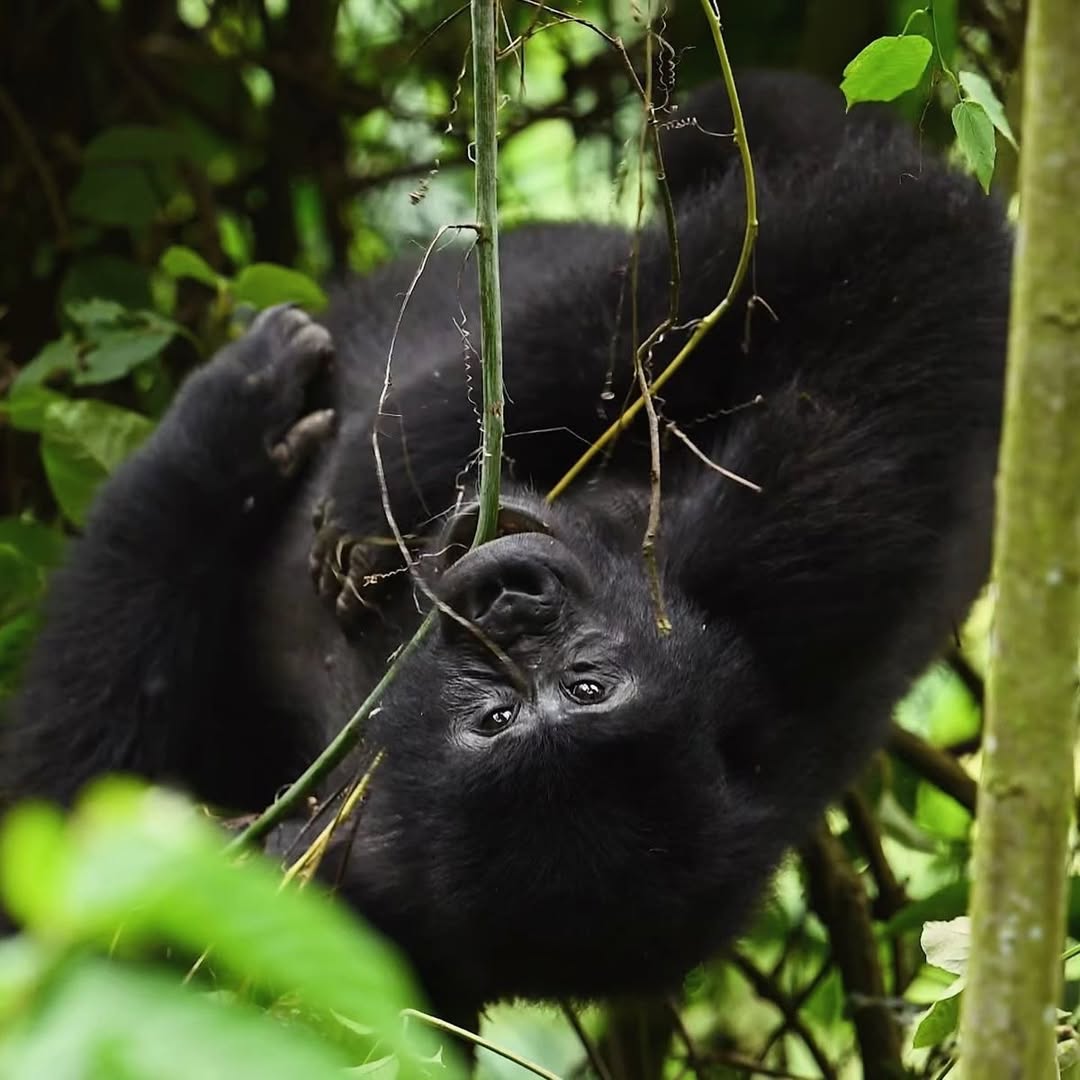
TheGorilla Trekking Age Limit
Gorilla trekking is one of the most sought-after wildlife experiences in Africa and can only be done on the continent. Mountain gorilla Gorilla Trekking Age Limit is even more exclusive, with opportunities available only in Uganda, Rwanda, and the Democratic Republic of Congo.
As awareness of this incredible activity continues to grow, the number of travelers embarking on gorilla trekking safaris increases each year. This rising demand means that gorilla permits can become extremely difficult to secure, especially during peak travel seasons.
Many travelers planning a gorilla safari often wonder whether there is an age limit for gorilla trekking, particularly when traveling with children and considering whether they can take part in this unforgettable adventure.
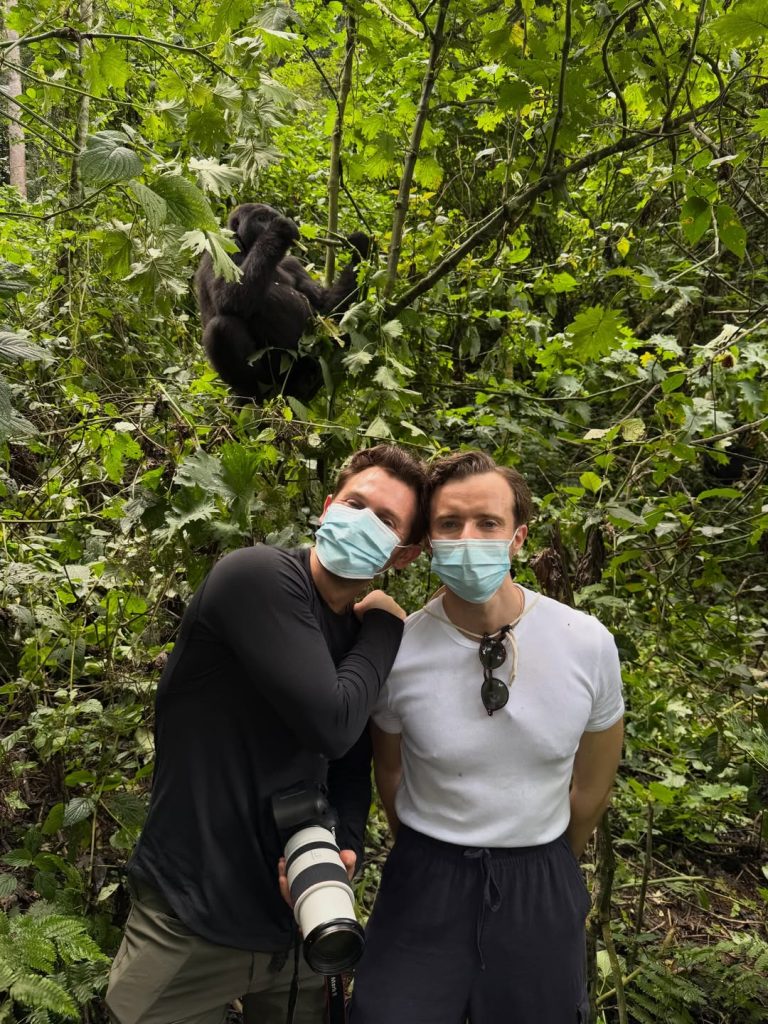
Minimum Age for Gorilla Trekking in Uganda, Rwanda
The Gorilla Trekking Age Limit in Uganda, Rwanda, and the Democratic Republic of Congo is 15 years. This age restriction is strictly enforced across all three countries to ensure the safety of both visitors and the endangered mountain gorillas.
However, in rare cases, Uganda may allow exceptions depending on specific circumstances, such as the maturity and physical ability of the child, though this is not commonly granted. These regulations are set by the respective wildlife authorities responsible for managing protected areas. In Uganda, gorilla trekking is regulated by the Uganda Wildlife Authority (UWA), while in Rwanda it is overseen by the Rwanda Development Board (RDB). In the Democratic Republic of Congo, the management is handled by the relevant national park authorities.
The age restriction is not arbitrary—it is designed to ensure that trekkers are physically capable of enduring the demanding nature of gorilla trekking, which often involves hiking through dense forests, steep terrain, and unpredictable weather conditions. It also helps maintain a controlled and quiet environment around the gorillas, minimizing stress and disturbance to these critically endangered primates.
Travelers interested in primate experiences with younger participants may also consider chimpanzee trekking, which in some destinations within Uganda and Rwanda may have slightly different age guidelines and regulations.
Why the Age Limit for Gorilla Trekking is Set at 15
The minimum age for gorilla trekking is set at 15 years because younger travelers are generally considered children who may not be physically, mentally, or emotionally prepared for the challenges of the experience, as well as the strict safety rules required in gorilla habitats.
Although mountain gorillas are naturally calm and gentle creatures, they can become defensive or aggressive if they feel threatened or misinterpret human behavior. In such situations, it is essential for trekkers to remain completely calm, quiet, and non-threatening. Children may struggle to control their reactions, and actions such as screaming or running away could potentially provoke a gorilla to react unpredictably. In these rare but serious situations, the safest response is to stay still, remain calm, and follow ranger instructions—something mature trekkers are generally better able to do.
Secondly, adult trekkers are more likely to understand and strictly follow gorilla trekking guidelines and instructions given by park rangers. These rules include maintaining a safe distance of at least 7 meters from the gorillas, avoiding littering in the park, and refraining from making loud noises or gestures that may disturb the animals. Compliance with these rules is critical for both human safety and gorilla conservation.
Thirdly, younger trekkers may not always be mentally prepared for the demands of the activity. Gorilla trekking is not a simple walk; it often involves long, physically demanding hikes through dense forests, steep slopes, and high-altitude terrain. Children who join primarily to accompany their parents may lack the motivation or interest needed to complete the trek, especially when the journey becomes challenging or prolonged.
In addition, the physical demands of trekking in places like Mgahinga National Park in Uganda and Volcanoes National Park in Rwanda can be intense. The terrain is often steep and rugged, and trekkers may spend hours walking under varying weather conditions. Older participants are generally better equipped with the endurance and determination required to complete the trek successfully.
Finally, younger children are more vulnerable to common illnesses such as coughs and flu. Mountain gorillas are highly susceptible to human diseases, and even minor infections can have severe or fatal consequences for them. For this reason, strict health precautions are enforced, and limiting access to more mature trekkers helps reduce this risk.
It is due to all these combined factors—safety, discipline, physical endurance, mental readiness, and conservation concerns—that wildlife authorities set the minimum age for gorilla trekking at 15 years.
Circumstances Under Which Children May Be Allowed to Track Gorillas
While the standard minimum age for gorilla trekking is 15 years, there are rare circumstances under which younger children may be permitted to participate, particularly in Uganda’s Bwindi Impenetrable National Park.
In some cases, an exception may be considered for a child who is 14 years old and approaching their 15th birthday within the year of trekking. This flexibility is only granted if the child is deemed physically fit and emotionally mature enough to handle the demands of the activity. Bwindi is often considered more suitable for such exceptions because it is generally less steep than Mgahinga Gorilla National Park and Rwanda’s Volcanoes National Park. Additionally, Bwindi’s dense forest canopy provides more shade, offering some relief from direct sunlight during the trek.
To qualify for this special consideration, parents may be required to submit supporting documentation to the Uganda Wildlife Authority (UWA). This may include a copy of the child’s passport to confirm age, recent photographs, and additional information demonstrating the child’s physical fitness and maturity level. These assessments help ensure that the young trekker can safely cope with the physical and environmental challenges of the trek.
In some situations, a child below 15 years may also be allowed to participate if accompanied by a parent or guardian who accepts full responsibility. In such cases, the parent is typically required to sign a consent or indemnity form, releasing the authorities from liability in the event of any incident during the trek.
To further support families, park wardens may assign such trekkers to gorilla families located closer to the starting point of the trek, reducing the distance and difficulty involved. Parents can also choose to hire extra porters, and in some cases a sedan chair (carry support system) may be arranged to assist a child who becomes tired during the hike. These services are also commonly used for elderly trekkers to improve comfort and safety.
Ultimately, while exceptions are possible, they are carefully evaluated and granted only under strict conditions to ensure the safety of both visitors and the endangered mountain gorillas. For families planning a gorilla trekking experience with younger participants, it is always advisable to consult in advance with the relevant authorities or a trusted tour operator for proper guidance.
What to do if your child is too young for gorilla trekking
You can still enjoy a gorilla safari even if you are traveling with children who are too young (13 years and below) to participate in gorilla trekking. While you go into the forest to track the gorillas, there are several engaging and enjoyable alternatives available for younger children.
Most lodges and hotels offer professional childcare support or supervised activities where staff can keep children entertained and safe. These may include games, storytelling, and watching children’s movies in a comfortable and secure environment.
In addition, children can be taken on light and age-appropriate excursions such as guided nature walks around the lodge area, cultural visits to nearby communities, or even educational tours of local schools.
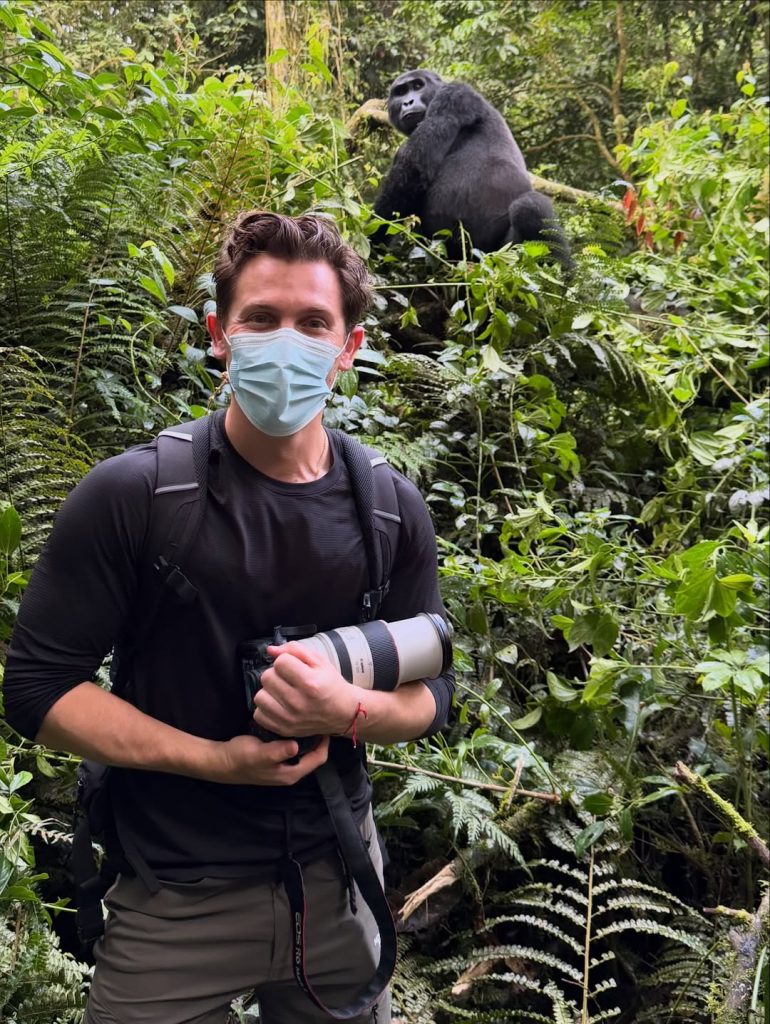
Additional Information About Eligibility for Gorilla Trekking
Anyone aged 15 years and above is eligible to take part in mountain gorilla trekking. There is no upper age limit for gorilla trekking, meaning that senior travelers can also participate as long as they are physically fit enough to complete the hike. You may also be interested in learning more about gorilla trekking for seniors for additional guidance and preparation tips.
Wildlife authorities in Uganda, Rwanda, and the Democratic Republic of Congo require all trekkers to submit a copy of their passport before a gorilla permit is issued. This is an important verification step used to confirm the traveler’s eligibility, especially their age.
Even if a permit is obtained without prior passport verification, trekkers are still required to present their original passport during the pre-trekking briefing at the park headquarters. This helps park officials confirm identity and ensure that all participants meet the required regulations before entering the gorilla habitat.
The passport verification process plays a crucial role in maintaining strict compliance with conservation rules and ensuring the safety and proper management of gorilla trekking activities.