Packing List for Gorilla Trekking in Mgahinga Gorilla National Park
Packing List for Gorilla Trekking
Gorilla trekking in Mgahinga Gorilla National Park is a once-in-a-lifetime experience. The lush forests, misty mountains, and gentle giants make it unforgettable. Proper preparation is essential to enjoy the trek safely and comfortably. Below is a comprehensive packing list to help you prepare for your adventure.
The Packing List for Gorilla Trekking is an important topic to cover because it helps Tourists plan and have the best possible experience while observing the primates. Gorilla tourism attracts many Travelers to Africa every year. Gorilla trekking is arguably the most exciting wildlife activity in the continent. Gorillas are fascinating creatures because they behave and resemble we humans. If you read more facts about mountain gorillas, you will learn that they are one of the most gentle and calm primates. This fact is important and helps erase the negative portrayal of gorillas as cruel creatures in movies.
Only 1,000 mountain gorillas remain on earth. They are different from western lowland gorillas that are common in zoos and forests of Central/West Africa. The endangered Mountain gorillas are only found in Uganda, Rwanda and Congo. Uganda has half of the total number of mountain gorillas. In Uganda, the primates can be seen in Bwindi and Mgahinga National Park. To see mountain gorillas in Rwanda, you need to visit the Volcanoes National Park while in Congo, it is the Virunga National Park. The primates live in groups led by a dominant silverback who ensures that every member is safe and in order.
Gorilla trekking is an extremely popular and expensive activity but worth every penny. After booking your gorilla tour and leaving the issue of transport, permits and accommodation to your tour operator, the next thing that comes to mind is how best to prepare. You might ask yourself the question – What should I pack for gorilla trekking? Though gorilla trekking is an exciting and adventurous activity, you need to go prepared. One of the most common mistakes we observe in our experience organizing safaris are tourists who have not prepared well for gorilla trekking. During briefing, we see some visitors in simple sandals, white sneakers and shorts which are not suitable for trekking in rainforests.
We have compiled a list of the things to pack during gorilla trekking and which will make the whole experience awesome. Always remember that using Porters is highly recommended to help you carry any extra luggage. You should read our article about gorilla trekking for the elderly for more about how porters and special sedan chairs can be used. The suggested packing list applies to all the national parks like Bwindi in Uganda, Mgahinga in Uganda, Volcanoes in Rwanda and Virunga in Congo. The suggested packing list also apply to those who have chosen to go for the gorilla habituation experience in Bwindi Impenetrable National Park.
It is important to also note that the landscape in Mgahinga and Volcanoes National Park is different from that in Bwindi and Virunga National Park. Mgahinga and the Volcanoes National Park are found in higher altitudes and are therefore colder than Bwindi. We have also included a list for a general wildlife safari towards the end of this article because in most cases tourists combine gorilla trekking with other wildlife excursions. You might be also want to read the rules for gorilla trekking or packing list for a safari in Uganda. There is also a related article about the essential items to pack for a safari in Africa.

Packing for Gorilla Trekking
Gorilla Permits and Passport: You will be required to show your gorilla permit and passport at the hotel and park offices just before beginning your trek. Valid travel documents and a Visa are very important for any safari. Don’t travel with a passport that is about to expire. Without the required travel documents, you will not be allowed in the country and to track the gorillas. Also ensure that you take the yellow fever shots and have the card if you plan to track gorillas in Uganda or Congo. Uganda doesn’t require the yellow fever card if you enter the country through Rwanda.
Hiking Boots: It is very important to include hiking boots among the things to pack for gorilla trekking in Bwindi or other national parks. High quality hiking boots will ensure a better grip of the hilly and sometimes muddy terrain. Poor quality boots or plain sneakers could hurt your ankles. Always remember that gorilla trekking involves climbing steep hills in areas with high altitude. The trails can get muddy or slippery during the rainy season.
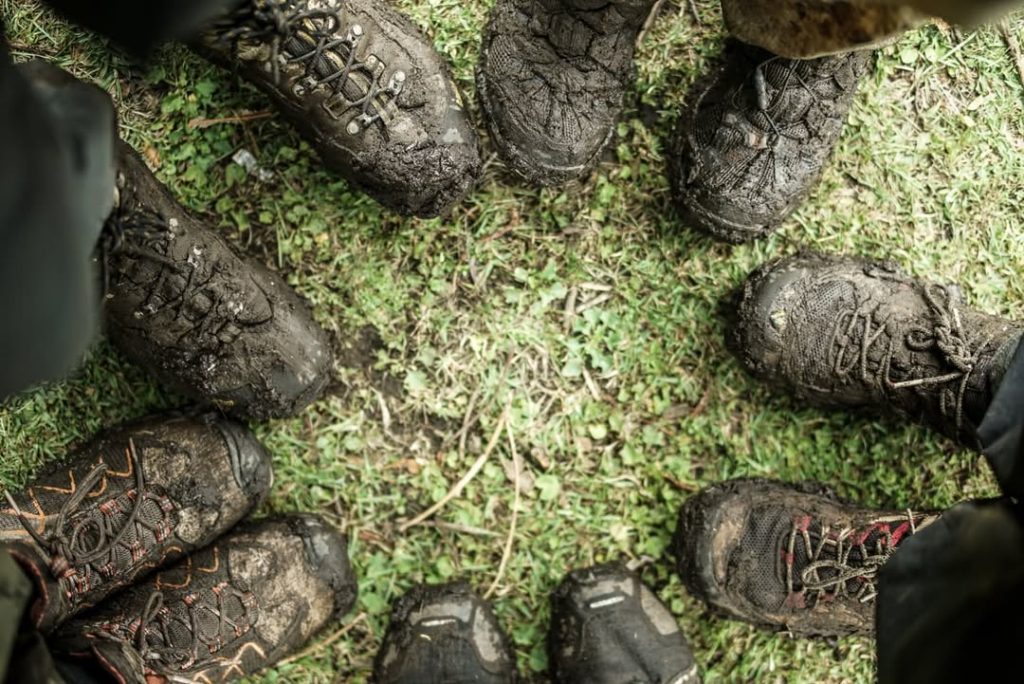
Clothing: When deciding on the clothes to pack for gorilla trekking, ensure you include water proof trousers, jackets, long sleeved shirts, sweaters, long socks and long trousers. The right clothing will help protect you from getting wet, sharp tree branches, the sun and insects/ants. Always tack in your trousers to your boots to prevent safari ants and other insects from entering your body. Other clothing to take into consideration while planning your gorilla tour are a pair of shorts for relaxation while back at the lodge and Pajamas for the cold nights. Also include long socks to cover your feet.
A Rain Jacket and sweater: This is an essential item for packing especially during the wet season. Gorillas live in tropical rain forests and rain should be expected at any time regardless of the period of the year. A rain jacket should therefore be on top of your packing list even if you are planning to come in the so called dry season. The sweater will keep you warm during the cold evenings and mornings. The Volcanoes National Park and Mgahinga are located in areas of high altitudes with several volcanoes on the horizon which release cold winds/mist.
Gloves: Garden gloves will help you hold trees, branches and other vegetation. The gloves will also protect your hands from scratches and insect bites. As we already noted earlier, the forest can get muddy and slippery. The gloves will help you hold tree branches when climbing or the ground in case you slide. Gloves are a must in any packing list for gorilla trekking.
Toiletries: These are not only important during gorilla trekking but also for general safaris in other national parks. The toiletries include like toilet paper in case you want to ease yourself during a long gorilla trek. Most hotels do not provide toothbrushes and pastes. You need to also come with your own sanitary pads (ladies), favorite shampoos, deodorants, hand sanitizers, shavers, hair conditioners, lip balm, wipes and lotions.
Headband and Hair Ties: Your hair could get caught in the branches if not properly tied.
A hat, Sun glasses and sun screen: These will protect you from the suns heat especially during the dry season. These items are also important if you are planning to combine gorilla trekking with a visit to the other national parks with hotter weather.

Snacks, Packed lunch and drinking water: Gorilla trekking is very unpredictable. It all depends on the location of the gorilla family on the day of the trek. The activity can take between 30 minutes to 5 hours. Trekking for long distances could get you tired and hungry. Your lodge should prepare for you packed lunch or you can choose to pack your own energy snacks. Energy giving snacks can also be acquired from supermarkets and specific shops in Rwanda and Uganda. Just make sure that you don’t forget them while living your hotel for the briefing at the park offices. Also keep in mind that tracking mountain gorillas for long can become exhausting and you will need enough water. Your lodge will provide you with water. Avoid littering the park with plastic bottles.
Walking stick: To help you maneuver through the thick vegetation and steep areas. The sticks are given out for free after the briefing. You can get a higher quality one at a cost from your hotel or preferably through the park rangers.
Camera with strong battery and memory: You cannot go for a safari in Africa without a good camera. How will your friends know about your encounters during your safaris? How will you remember the events? Be prepared to take photographs of the gorillas, the beautiful park scenery and spots along your journey. Always pack extra batteries just in case the one in your camera is drained. Do not use flash photos while with the gorillas. They will get agitated.
Binoculars: The parks you will be visiting are not all about gorillas. During your trek, expect to encounter several species of birds, forest elephants, buffaloes, chimpanzees and colobus monkeys among many others creatures You can get good views of the birds and primates if you have a good binocular.
Phone simcard: Try to acquire an international simcard so that you can make calls to your family back home.
Porters: Porters were briefly mentioned early and I will go into more details here. Porter help tourist carry any extra luggage or heavy cameras during gorilla trekking. They can also give you a helping hand when navigating through steep hills and valleys. Porter can help carry the elderly using special pouches when required. Porters charge a fee of about $15 and are normally residents of the surrounding areas. Those who cannot walk can hire the services of special porters and be carried right up to the gorillas using a sedan chair. By paying for their services, you help the community, their families and make them desist from poaching. Some of the porters are students who are looking for school fees. We advise all our clients to hire a porter if they are not sure of their fitness level or if it has been determined that the gorilla family moves a lot. Porters are always available for hire at the briefing point.
Tip: Plan to tip your guides, porters, Rangers and hotel staff (Optional). Reward them for protecting the gorillas and making your journey comfortable. Remember that most come from poor backgrounds and yet have families relying on them at home. If you choose to give tip, only do it after the service is offered and only in recognition of exceptional/professional service.
Other items: Other general items to consider are travel insurance, emergency telephone numbers, travel maps, directories and the final itinerary from your tour operator. Having money in local currency is also important when you want to tip your Guides or buy souvenir in areas with no credit card machines or ATM’s. To keep your money safe, acquire a money belt.

N.B
Most of our tour vehicles have first aid equipment but we recommend that visitors bring tablets for water purification, painkillers, any personal medications for medical conditions and allergies. You might also need to bring medicine that reduces pain from insect bites, medicine for flue, diarrhea, other colds and those that re-hydrate the body. Bandages, Scissors, Tweezers and Eye Drops may also be important during the trip. Never forget swimming wear especially during the dry season. Most of the hotels have large swimming pools overlooking beautiful African wilderness.
Final Thoughts
A well-prepared trek in Mgahinga Gorilla National Park allows you to fully enjoy the thrill of encountering mountain gorillas in their natural habitat. From durable clothing and sturdy boots to trekking essentials and photography gear, packing thoughtfully ensures your adventure is both safe and unforgettable. Following this packing guide, you’ll be ready to experience one of Africa’s most incredible wildlife encounters.