South Western Uganda Adventure | Top Things to Do
South Western Uganda Adventure is one of the most rewarding safaris in East Africa, offering a rich mix of primate encounters, wildlife safaris, scenic landscapes, and cultural experiences. Whether you are an adventure traveler or a nature lover, the region provides a wide range of unforgettable activities.
Gorilla trekking in Bwindi Impenetrable National Park is one of the most iconic experiences in Africa, allowing visitors to hike through dense rainforest in search of endangered mountain gorillas. Bwindi is home to nearly half of the world’s remaining mountain gorillas, making it a must-visit destination for primate enthusiasts.
In Mgahinga Gorilla National Park, visitors can enjoy golden monkey trekking in the bamboo forests of the Virunga Mountains. This park also offers gorilla trekking experiences, with scenic volcanic landscapes that enhance the adventure.
Queen Elizabeth National Park provides classic wildlife safari experiences, including game drives where visitors can spot elephants, lions, buffaloes, hippos, and Uganda kobs. The park is especially famous for its tree-climbing lions found in the Ishasha sector.
A boat cruise along the Kazinga Channel offers close encounters with large populations of hippos, crocodiles, and diverse bird species, making it one of the best birdwatching locations in Africa.
Chimpanzee tracking in Kyambura Gorge and Kalinzu Forest gives visitors a chance to observe chimpanzees in their natural habitat while exploring lush forest environments.
The region also offers scenic nature walks and hiking adventures, especially around the Virunga Volcanoes and crater lakes, where travelers enjoy breathtaking views and peaceful landscapes.
Cultural encounters with local communities, including the Batwa pygmies, provide insight into traditional forest life, music, dance, and storytelling, enriching the overall safari experience.
Finally, Lake Bunyonyi offers a tranquil retreat for canoeing, birdwatching, island tours, and relaxation after an adventurous safari.
Southwestern Uganda combines wildlife, culture, and scenery into one of the most diverse safari destinations in Africa, making it a must-visit region for unforgettable travel experiences.
What Is The Cost Of A Gorilla Trekking Permit In Uganda?
The cost of a gorilla trekking permit in Uganda varies depending on the visitor’s residency status, with different rates set by the Uganda Wildlife Authority (UWA) to promote conservation and make the experience accessible to various groups of travelers.
Currently, the gorilla trekking permit costs USD 800 for international non-residents, USD 700 for international residents, USD 500 for other African nationals, and UGX 300,000 for East African citizens. These fees are subject to change based on government conservation policies and tourism regulations.
A gorilla trekking permit includes more than just access to see the mountain gorillas. It covers a guided trek through the forest led by experienced Uganda Wildlife Authority rangers, one hour of close observation with a habituated gorilla family, and all applicable park entrance fees. The permit also contributes to security services, ensuring the safety of visitors in the national parks, as well as ongoing wildlife conservation efforts, including habitat protection and anti-poaching initiatives.
In addition, a significant portion of the permit revenue supports local community development projects, helping to improve livelihoods in areas surrounding gorilla habitats. This ensures that tourism benefits both conservation and the people who live near these protected ecosystems.
By purchasing a gorilla trekking permit, visitors are directly contributing to the survival of the endangered mountain gorillas while enjoying one of the most unique wildlife experiences in the world.
Gorilla Habituation Experience
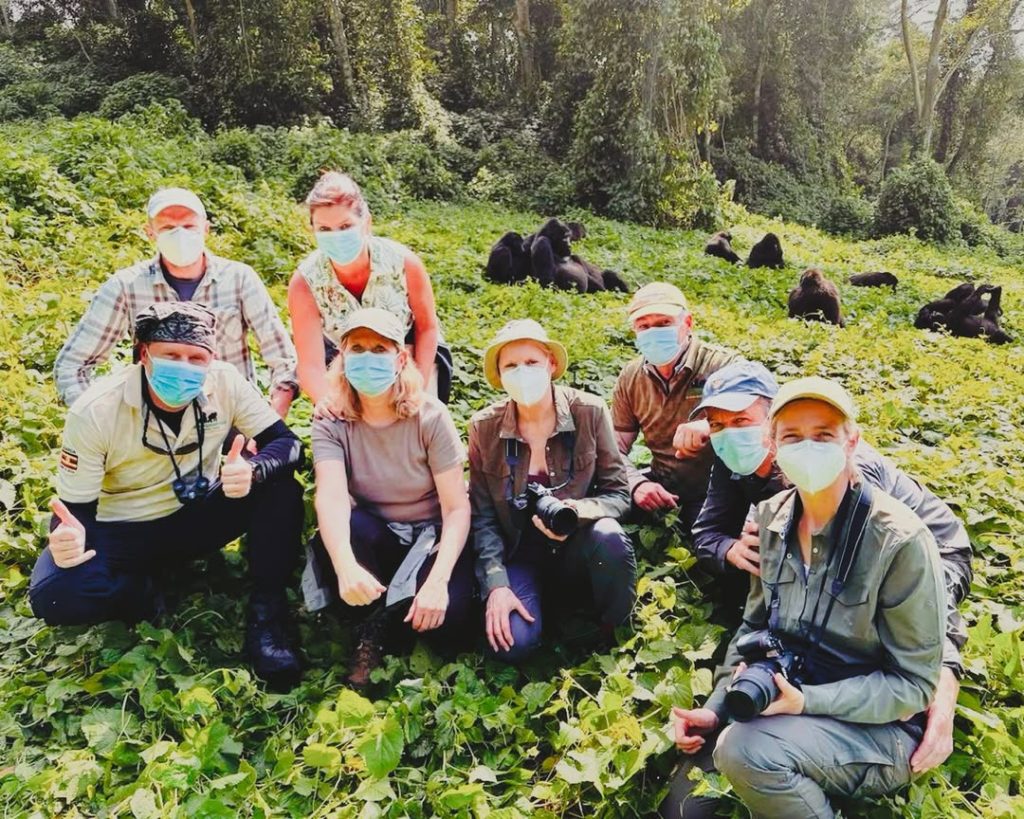
The gorilla habituation experience in Southwestern Uganda is a unique and immersive wildlife adventure that allows visitors to spend up to four hours with a semi-habituated mountain gorilla family in the company of experienced researchers and habituators. Unlike standard gorilla trekking, this activity provides a deeper understanding of gorilla behavior, conservation work, and the gradual process of getting wild gorillas accustomed to human presence.
Since these gorilla families are not yet fully habituated, they may exhibit unpredictable or unusual behaviors when encountering humans. Visitors are therefore advised not to panic but to remain calm and strictly follow the guidance provided by the research team and Uganda Wildlife Authority rangers.
The researchers and habituators accompanying the experience possess detailed knowledge about each gorilla family and provide important instructions on how to behave and interact safely during the encounter. Although general gorilla trekking rules still apply, each gorilla group may have unique characteristics and behavioral patterns that require special attention.
During the habituation experience, participants may also be involved in conservation activities such as observing behaviors, recording notes, and occasionally assisting in collecting non-invasive data and samples. This makes the experience not only a wildlife encounter but also an active contribution to gorilla conservation efforts.
In some cases, a gorilla family under habituation may encounter new or unhabituated members. These situations require extra caution and careful management by the research team to ensure both the safety of the gorillas and visitors.
Currently, gorilla habituation experiences in Uganda are conducted in the southern sector of Bwindi Impenetrable National Park, where a limited number of gorilla families—about four—are open for this specialized conservation activity.
What Is the Cost of a Gorilla Habituation Experience Permit in Uganda?
The cost of a gorilla habituation experience permit in Uganda varies depending on the visitor’s residency status and is regulated by the Uganda Wildlife Authority (UWA). This special permit is more expensive than standard gorilla trekking due to the extended time and deeper involvement in conservation activities.
Currently, the gorilla habituation experience permit costs USD 1,500 for international non-residents, USD 1,000 for foreign residents, USD 1,000 for other Africans, and UGX 750,000 for East African citizens. These rates may change periodically based on conservation policies and tourism management decisions.
The gorilla habituation permit offers a more exclusive experience, allowing visitors to spend up to four hours with a semi-habituated mountain gorilla family, accompanied by researchers and experienced habituators. This extended time provides a rare opportunity to observe gorilla behavior more closely and participate in ongoing conservation efforts.
The permit fee also includes park entrance charges, security services, and contributions to wildlife conservation programs, including habitat protection and anti-poaching initiatives. In addition, part of the revenue supports local community development projects, ensuring that tourism benefits the people living around gorilla habitats.
By participating in the gorilla habituation experience, visitors not only enjoy an extraordinary wildlife encounter but also actively contribute to the long-term protection and study of endangered mountain gorillas in Uganda.
South Western Uganda Adventure | Golden Monkey Safaris
Golden monkey safaris in Uganda are best experienced in Mgahinga Gorilla National Park, the only protected area in the country where these rare primates can be found. Golden monkeys are a unique species distinguished by their striking golden-orange fur on the lower body, slender build, and energetic behavior, making them one of the most fascinating primates to observe in the wild.
Visitors can choose between golden monkey trekking and the more immersive golden monkey habituation experience, depending on their level of interest and time available.
During golden monkey trekking, tourists are guided through the bamboo forests of Mgahinga to observe a fully habituated troop for one hour. This experience allows visitors to watch their playful behavior as they leap between trees, forage, and interact within their social groups.
Currently, the cost of a golden monkey trekking permit in Uganda is USD 60 for international non-residents, USD 50 for international residents, and UGX 40,000 for East African citizens. This fee includes the guided trek, one hour with the golden monkeys, park entrance fees, security services, and contributions to conservation and community support initiatives.
For a more in-depth experience, the golden monkey habituation experience allows visitors to spend up to four hours with semi-habituated troops, accompanied by researchers and conservation experts. Because these monkeys are still adjusting to human presence, they may display shy or unpredictable behavior, including sudden movements or retreating into dense vegetation.
The cost of the golden monkey habituation experience permit is currently USD 100 for international non-residents, USD 80 for foreign residents, and UGX 100,000 for East African citizens. This fee includes extended observation time, conservation support, security, and research-related activities.
Golden monkeys are highly active and constantly on the move, often jumping from tree to tree, which makes tracking them an exciting and fast-paced adventure. They are also considered endangered, with a population of approximately 4,000 individuals remaining in the wild, mainly within the Albertine Rift region.
A golden monkey safari in Uganda offers a rare opportunity to observe one of Africa’s most energetic and endangered primates in its natural bamboo forest habitat.
South Western Uganda Adventure | Birding
Birding in Southwestern Uganda is one of the most rewarding wildlife experiences in the country, thanks to its rich forest ecosystems and high concentration of rare and endemic bird species. The region is especially famous for the bird diversity found in Bwindi Impenetrable National Park and Mgahinga Gorilla National Park, both of which form part of the Albertine Rift, one of Africa’s most important biodiversity hotspots.
Bwindi Impenetrable National Park alone is home to approximately 350 bird species, while Mgahinga Gorilla National Park hosts around 115 recorded species. Together, these forests provide habitat for several Albertine Rift endemics, making the region a top destination for serious birdwatchers. Bwindi Forest has even been recognized by the Africa Bird Club as one of the premier birding destinations in Africa.
Within Bwindi, the Ruhija sector is considered the most productive birding area, particularly around the Mubwindi Swamp, which attracts a wide variety of forest species. Birdwatchers who combine gorilla trekking with birding can request permits for the Ruhija area to maximize their wildlife experience in this rich ecological zone.
During a birding safari in Bwindi or Mgahinga, visitors may encounter remarkable species such as the Rwenzori Turaco, Handsome Francolin, and the rare Shelley’s Crimsonwing, among many others. The experience is greatly enhanced when accompanied by a professional birding guide and a detailed bird field guidebook, as many species are best identified by their calls and subtle movements within the dense forest.
Birding in Southwestern Uganda offers an immersive experience where forest sounds, vibrant birdlife, and lush landscapes come together, making it a must-do activity for ornithologists and nature enthusiasts alike.
South Western Uganda Adventure | Hiking Adventures
Hiking adventures in Southwestern Uganda offer an exciting opportunity for travelers to test their physical fitness while exploring some of the most dramatic volcanic landscapes in East Africa. The region is characterized by rugged terrain, steep slopes, and stunning scenery shaped by ancient volcanic activity.
Mgahinga Gorilla National Park is the main hub for hiking in this region, as it is home to three of the six major Virunga Volcanoes: Mount Gahinga, Mount Sabyinyo, and Mount Muhavura. Each of these volcanic peaks offers a unique hiking experience, with diverse vegetation zones, wildlife sightings, and breathtaking panoramic views.
A hike up these mountains rewards visitors with the chance to observe remarkable natural features that are often not visible from lower elevations, including volcanic craters, alpine vegetation, and sweeping views of the surrounding landscapes. The southwestern region of Uganda is generally mountainous due to historical volcanic activity that shaped the entire Virunga conservation area.
Hiking excursions in Mgahinga typically take around 7 to 8 hours for a round trip, depending on the peak and hiking pace. All hiking activities must be done in the company of an experienced UWA ranger guide, who ensures safety and provides insights about the park’s ecology and geology.
One of the most unique highlights is the hike to the summit of Mount Sabyinyo, where hikers can stand at the meeting point of Uganda, Rwanda, and the Democratic Republic of Congo, offering a rare opportunity to be in three countries at once.
Hiking in Southwestern Uganda combines adventure, physical challenge, and unforgettable scenery, making it a must-do experience for nature lovers and adventure seekers.
Visit to Queen Elizabeth National Park
From Bwindi Impenetrable National Park, Queen Elizabeth National Park is conveniently accessible, making it an excellent addition to any South Western Uganda Adventure
. The park is located approximately 64 kilometers via the Ishasha sector in the south, or about 160 kilometers to Mweya, the main headquarters of the park. This proximity allows travelers to easily combine primate trekking experiences in Bwindi with classic savannah wildlife safaris in Queen Elizabeth National Park, creating a diverse and rewarding Uganda safari experience.
During a visit to Queen Elizabeth National Park, visitors can encounter a wide range of wildlife species, including the famous tree-climbing lions in the Ishasha sector, as well as elephants, buffaloes, waterbucks, bushbucks, leopards, topis, hyenas, and many more. This makes the park one of the most biodiverse savannah destinations in East Africa.
A major highlight of the park is the boat cruise along the Kazinga Channel, which offers exceptional wildlife viewing opportunities. The channel, approximately 40 kilometers long, connects Lake Edward and Lake George and attracts large concentrations of wildlife that come to drink, bathe, and cool off along its shores. It is also a birdwatcher’s paradise, with numerous bird species present year-round, including migratory birds from Europe during the winter season.
Another remarkable activity is chimpanzee trekking in Kyambura Gorge, where visitors have the chance to observe endangered chimpanzees whose DNA is about 98% similar to humans. The gorge offers a unique forested habitat within the savannah landscape, making the experience even more special.
Overall, Queen Elizabeth National Park, located on the floor of the Great Rift Valley, is one of Uganda’s most scenic and wildlife-rich parks. It perfectly complements a safari in Bwindi Impenetrable National Park or Mgahinga Gorilla National Park, offering travelers a well-balanced mix of primate encounters, big game viewing, and breathtaking landscapes.
Visit Lake Bunyonyi
Lake Bunyonyi is one of the most serene and scenic destinations in South Western Uganda Adventure
, offering visitors a peaceful retreat surrounded by rolling hills and untouched natural beauty. Often regarded as one of the deepest lakes in Uganda, it is a stunning Rift Valley lake known for its cool climate, calm waters, and breathtaking landscapes.
The lake is home to 29 beautiful islands, each with its own unique history and cultural significance. These islands can be explored by traditional boat rides, offering visitors an opportunity to enjoy the scenery while learning more about the lake’s fascinating past.
One of the most notable islands is Akampene Island, famously known as the “Punishment Island.” According to local history, it was once used to abandon unmarried pregnant girls who were left there as a form of punishment, and many attempted to swim back to the mainland, often unsuccessfully. Today, it stands as an important cultural heritage site and a reminder of the region’s traditional practices.
Another significant island is Bwama Island, which was once used as a leprosy treatment center by the missionary doctor Dr. Leonard Sharp. This island carries historical importance and adds a deeper cultural layer to visits on the lake.
While at Lake Bunyonyi, visitors can enjoy a wide range of activities including bird watching, canoeing, zip-lining, nature walks, and community visits to experience the local culture and traditions of the surrounding communities.
Lake Bunyonyi is an ideal destination for relaxation after an adventurous safari in Bwindi or Mgahinga, offering a perfect blend of tranquility, history, and scenic beauty.
Guidelines for South Western Uganda Adventure
When planning a safari in Southwestern Uganda—especially for gorilla trekking—there are important guidelines that visitors must follow to ensure the safety of both wildlife and tourists, while also supporting conservation efforts.
Photography is allowed during gorilla trekking, but flash photography is strictly prohibited, as it can startle and stress the mountain gorillas. Visitors are advised to use natural light settings to capture their experience responsibly.
Eating, drinking, or smoking near mountain gorillas is not allowed, as it may negatively affect their health and expose them to human-transmitted diseases. Maintaining a clean and respectful environment is essential throughout the trek.
Littering in the forest is strictly forbidden because it disrupts the natural ecosystem and can harm wildlife. Mountain gorillas are herbivores, and preserving their habitat ensures the continued availability of their natural food sources.
When you encounter a gorilla family, do not surround them. Instead, maintain a respectful formation as guided by your ranger. Surrounding them can make them feel threatened or trapped.
Visitors who need to use a toilet during the trek must inform the ranger guide, who will dig a small hole approximately 30 cm deep. All waste must be properly buried to maintain forest hygiene and protect the environment.
Gorilla trekking is restricted to individuals aged 15 years and above, as the activity requires physical endurance, patience, and the ability to follow strict guidelines in unpredictable conditions.
If you have any contagious illness such as flu, cough, or other infections, you are required to inform your guide and may be asked to skip the trek. This is crucial because mountain gorillas share about 98% of their DNA with humans and are highly vulnerable to human diseases.
A safe viewing distance of at least 8 meters must always be maintained to minimize the risk of disease transmission and ensure the gorillas remain undisturbed in their natural behavior.
Spitting on vegetation is strictly prohibited, as plants in the forest are part of the gorillas’ natural food chain and must be protected at all times.
Visitors are encouraged to wear masks and practice good hygiene, including hand sanitizing, especially when approaching gorilla families, as an added precaution for disease prevention.
While observing gorillas, visitors should remain quiet and avoid sudden movements, as loud noises or rapid actions can easily scare them away.
Only one hour is allowed with a habituated gorilla family, as this helps reduce stress on the animals and ensures sustainable tourism practices.
Following these guidelines helps protect Uganda’s endangered mountain gorillas while ensuring a safe, respectful, and unforgettable safari experience in Southwestern Uganda.