
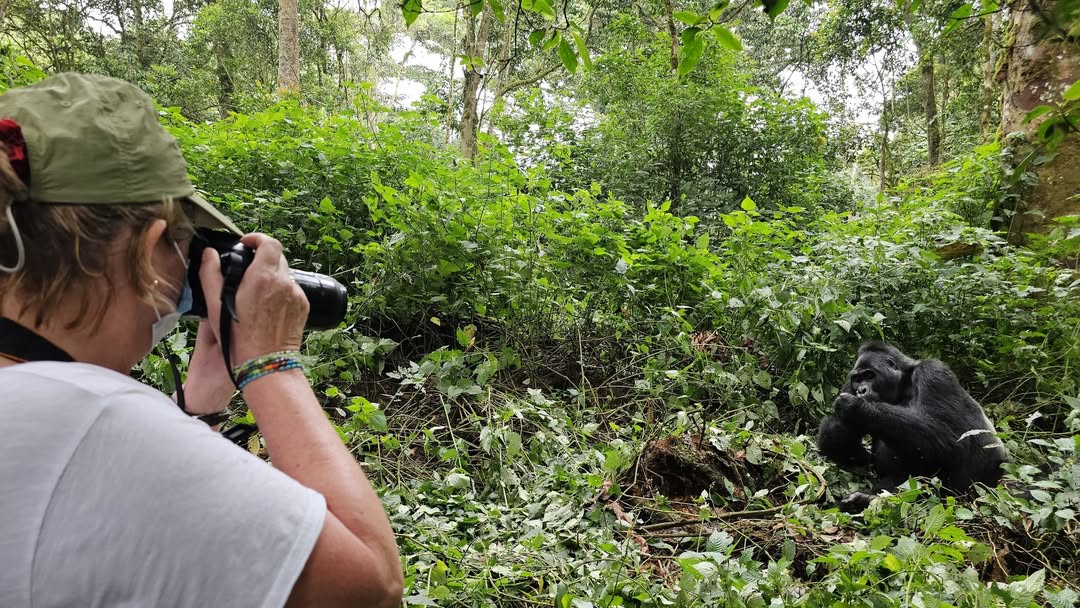
Virunga Mountains Wildlife Overview
The Virunga Mountains Wildlife Overview showcases one of Africa’s most remarkable natural regions—a chain of volcanic mountains stretching across Uganda, Rwanda, and Democratic Republic of the Congo. Located within the biodiversity-rich Albertine Rift, this region is globally celebrated for its exceptional wildlife, rare species, and immersive safari experiences.
The Virunga ecosystem is a true biodiversity hotspot, characterized by dense montane forests, bamboo zones, and afro-alpine vegetation. These diverse habitats support an incredible variety of wildlife, including species found nowhere else on Earth. At the center of this ecosystem is the endangered Mountain Gorilla, the region’s most iconic species and the highlight of any visit. Gorilla trekking offers a once-in-a-lifetime opportunity to observe these gentle giants in their natural habitat, providing a deeply personal and unforgettable wildlife encounter.
In addition to gorillas, the Virungas are home to the rare Golden Monkey, known for its striking golden-orange fur and lively behavior. These primates thrive in the bamboo forests and add a vibrant energy to the region’s wildlife experience. The area is also a paradise for birdwatchers, with over 300 bird species, including numerous Albertine Rift endemics such as the Rwenzori turaco and handsome francolin.
Beyond primates and birdlife, the forests of the Virunga Mountains shelter a variety of other mammals, including forest elephants, buffaloes, bushbucks, duikers, and giant forest hogs. Although often difficult to spot due to the dense vegetation, these species contribute significantly to the ecological richness of the region.
Conservation plays a vital role in preserving this unique ecosystem. Protected areas such as Bwindi Impenetrable National Park, Mgahinga Gorilla National Park, and Volcanoes National Park are essential for safeguarding endangered species and promoting sustainable tourism that benefits local communities. These efforts ensure that future generations can continue to experience the beauty and biodiversity of the Virunga Mountains.
The Virunga Mountains Wildlife Overview ultimately reveals a destination where nature thrives in its purest form—a rare sanctuary of endangered primates, diverse wildlife, and breathtaking volcanic landscapes, making it one of Africa’s most extraordinary safari destinations.
Virunga Mountains Wildlife Overview | Mountain Gorillas
The endangered Mountain Gorilla is the most iconic species of the Virunga Mountains and the primary reason many visitors travel to this remarkable region. Found within the dense montane forests of the Virunga volcanic chain, these gentle giants represent one of the greatest conservation success stories in Africa and remain critically important to global biodiversity.
Mountain gorillas live in stable, tightly bonded family groups known as troops, typically led by a dominant male called a silverback. The silverback is responsible for protecting the group, making movement decisions, and maintaining harmony among members. Each group can consist of several females, juveniles, and infants, all of whom share strong social relationships. Their interactions—such as grooming, playing, resting together

Virunga Mountains Wildlife Overview | Golden Monkeys – The Bamboo Forest Dwellers
The rare Golden Monkey is one of the most beautiful and energetic primates in the region. Easily identified by their golden-orange fur and expressive faces, they live mainly in the bamboo zones of the Virunga forests. Golden monkeys move in large, playful groups, often jumping through bamboo stems and foraging on shoots and fruits. Their active behavior and striking appearance make them a favorite secondary primate experience after gorilla trekking.
Virunga Mountains Wildlife Overview | Birdlife
The Virunga Mountains are a globally significant birding destination, supporting over 300 recorded bird species within a relatively compact but highly diverse ecosystem. This exceptional richness is largely due to the region’s position within the Albertine Rift, one of Africa’s most important centers of endemism, where many species are found nowhere else on Earth.
The area is particularly renowned for its Albertine Rift endemics, a group of rare and localized birds that have adapted to the unique montane forest conditions. Among the most iconic is the Rwenzori turaco, admired for its striking green and crimson plumage, often seen gliding between forest canopies. The handsome francolin, another sought-after species, is typically found in dense undergrowth and bamboo edges, where it forages quietly on the forest floor. A wide variety of sunbirds also thrive here, their iridescent colors and rapid movements making them a highlight for birdwatchers exploring flowering shrubs and forest clearings.
Birding in the Virunga Mountains is especially rewarding because of the remarkable range of habitats compressed into a small geographic area. Within a single birding excursion, visitors can move from lowland montane forests to dense bamboo zones and up into afro-alpine vegetation near the volcanic peaks. Each habitat supports distinct bird communities, allowing birdwatchers to encounter a high level of diversity in a short time. This ecological variation not only increases species richness but also enhances the chances of spotting rare and highly specialized birds.
Overall, the Virunga birding experience is considered one of the finest in Africa, offering both casual nature lovers and serious ornithologists a chance to observe rare species, endemic birds, and spectacular forest landscapes in one of the continent’s most biodiverse mountain systems.
Other Wildlife – Hidden Forest Species
Beyond primates and birds, the Virunga ecosystem supports a wide range of mammals. These include forest elephants, African buffaloes, bushbucks, duikers, and giant forest hogs. These animals are more elusive due to dense vegetation and natural shyness, but they play an essential role in maintaining ecological balance within the forest system. Their presence indicates a healthy and functioning ecosystem.
Conservation Areas – Protecting a Global Treasure
Several protected areas safeguard the Virunga ecosystem, forming a vital conservation landscape that supports some of Africa’s most iconic and endangered wildlife.
Mgahinga Gorilla National Park plays a crucial role within the Virunga volcanic chain. Despite its relatively small size, the park is ecologically rich, featuring bamboo forests, montane vegetation, and dramatic volcanic peaks including Mount Muhabura, Mount Gahinga, and Mount Sabyinyo. It is one of the best places in Uganda for golden monkey trekking, offering visitors a chance to observe these rare primates in their natural bamboo habitat. The park also serves as an important wildlife corridor, allowing species like mountain gorillas to move between Uganda, Rwanda, and the Democratic Republic of the Congo. In addition, Mgahinga holds deep cultural significance as the ancestral land of the Batwa people, whose heritage is closely connected to the forest ecosystem.
In Rwanda, Volcanoes National Park stands as the most accessible and well-established gorilla trekking destination in the Virunga region. It protects a significant portion of the Virunga volcanic mountains and several habituated mountain gorilla families, making it a key site for close-up wildlife encounters. The park’s diverse habitats—ranging from bamboo zones to afro-montane forests—also support golden monkeys and a variety of bird species. Volcanoes National Park is internationally recognized for its pioneering conservation work, including long-term gorilla research and protection efforts inspired by the legacy of Dian Fossey.
Together, these protected areas form a transboundary conservation system that is essential for the survival of the Virunga ecosystem. They are supported by coordinated anti-poaching operations, scientific research, and cross-border conservation collaboration between Uganda, Rwanda, and the Democratic Republic of the Congo. Equally important are community-based tourism programs, which share revenue with local communities, create employment opportunities, and promote environmental education. This integrated approach ensures that wildlife protection and community development go hand in hand, securing the future of this extraordinary landscape