
The Gorilla Trekking Clothing Guide for gorilla trekking is an essential topic for every traveler planning a gorilla safari in Africa. It helps tourists prepare properly and enjoy the best possible experience while observing these incredible primates in their natural habitat.
Gorilla tourism attracts thousands of travelers to Africa every year. It is widely regarded as one of the most thrilling wildlife experiences on the continent. Mountain gorillas are fascinating creatures, closely related to humans in behavior and appearance. Learning more about gorillas reveals that they are gentle, peaceful, and highly social animals—helping to correct the common misconception, often portrayed in films, that they are aggressive or dangerous.
Today, only about 1,000 mountain gorillas remain in the wild. Unlike western lowland gorillas, which are more common in zoos and forests across Central and West Africa, mountain gorillas are found only in Uganda, Rwanda, and the Democratic Republic of Congo. Uganda alone is home to nearly half of the world’s remaining population, primarily found in Bwindi Impenetrable National Park and Mgahinga Gorilla National Park. In Rwanda, they live in Volcanoes National Park, while in Congo they are found in Virunga National Park.
These primates live in family groups led by a dominant silverback, who protects and organizes the group, ensuring safety and harmony within the troop.
Gorilla trekking is an unforgettable but physically demanding and relatively expensive adventure—yet it is absolutely worth the experience. After booking your gorilla tour and arranging permits, transport, and accommodation through your tour operator, the next important step is preparation. Many travelers often ask: What should I pack for gorilla trekking?
Although the experience is exciting, proper preparation is crucial. One of the most common mistakes we see is tourists arriving unprepared—wearing sandals, light sneakers, or shorts, which are not suitable for trekking through dense rainforest terrain.
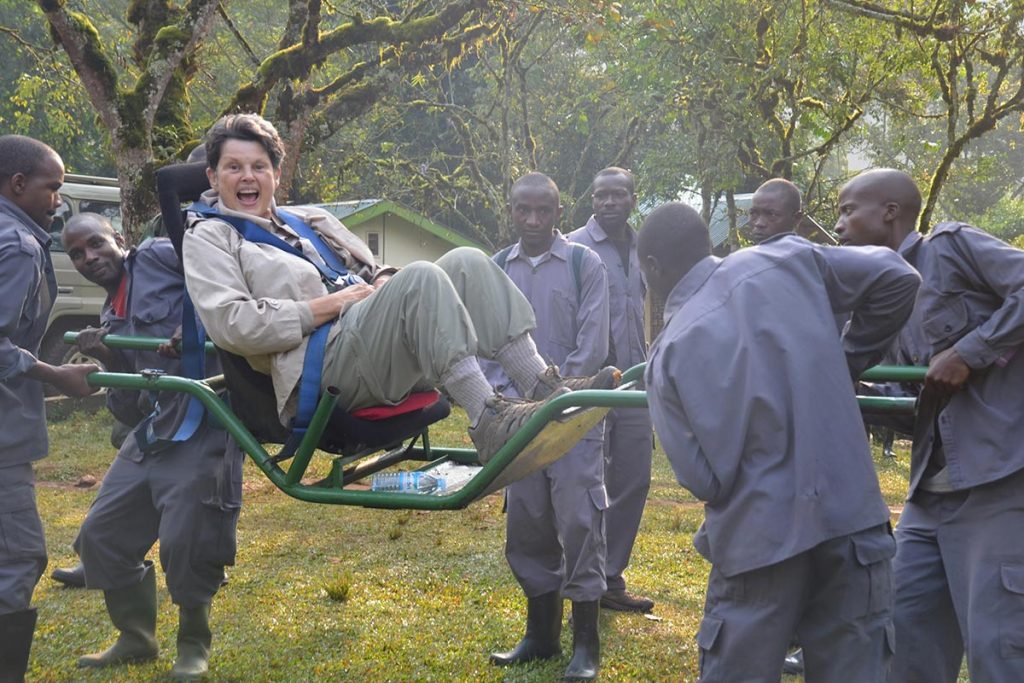
To help you avoid these mistakes, we have compiled a comprehensive packing list that will ensure your gorilla trekking experience is safe, comfortable, and enjoyable. We also highly recommend hiring a porter to assist with carrying your backpack and supporting you during the trek. For more challenging conditions, especially for elderly travelers, porters and special sedan chairs can be very helpful.
This packing list applies to all gorilla trekking destinations, including Bwindi Impenetrable National Park and Mgahinga Gorilla National Park in Uganda, Volcanoes National Park in Rwanda, and Virunga National Park in Congo. It is also suitable for travelers participating in the gorilla habituation experience in Bwindi.
It is important to note that trekking conditions vary by location. Mgahinga and Volcanoes National Park are located at higher altitudes and are generally colder compared to Bwindi and Virunga. Therefore, clothing and gear should be adjusted accordingly.
In addition, we have included recommendations for a general safari packing list since many travelers combine gorilla trekking with other wildlife experiences. You may also find it helpful to explore related guides such as gorilla trekking rules and essential safari packing lists for Uganda and other African destinations.
Gorilla Trekking Clothing Guide | Packing List for Gorilla Trekking
Gorilla Permits and Passport
Your gorilla permit and passport are essential documents for your gorilla trekking experience. You will be required to present them at your hotel and again at the park offices before starting the trek.
It is very important to travel with valid documents, including a passport with sufficient validity and the appropriate visa for your destination country. Ensure your passport is not close to expiry, as this may prevent you from entering the country or participating in gorilla trekking activities.
Without the required travel documents, you will not be allowed to enter the country or proceed with gorilla tracking.
In addition, travelers are advised to take the yellow fever vaccination and carry the yellow fever vaccination card, especially when trekking in Uganda or the Democratic Republic of Congo. However, Uganda may not require the yellow fever card if you enter the country through Rwanda.
Proper documentation is a crucial first step in ensuring a smooth and successful gorilla trekking experience.
Gorilla Trekking Clothing Guide | Hiking Boots
Including high-quality hiking boots on your gorilla trekking packing list is essential, whether you are trekking in Bwindi or any other national park. Proper hiking boots provide the grip and stability needed to navigate the steep, uneven, and often muddy terrain found in these rainforest environments.
Gorilla trekking typically involves hiking through hilly landscapes at high altitudes, where trails can become slippery—especially during the rainy season. Wearing poor-quality boots or regular sneakers increases the risk of slipping or injuring your ankles.
For the best experience, choose sturdy, waterproof hiking boots with good ankle support and strong traction. This will keep you comfortable, safe, and confident throughout your trek.
Gorilla Trekking Clothing Guide | Clothing
Choosing the right clothing for gorilla trekking is essential for comfort and protection in the rainforest. Be sure to pack waterproof trousers, a rain jacket, long-sleeved shirts, sweaters, long trousers, and long socks. These items will help protect you from rain, sharp vegetation, strong sun exposure, and insects such as ants.
For added protection, always tuck your trousers into your boots to prevent safari ants and other insects from crawling inside your clothing.
In addition to trekking gear, pack a few आराम items for your stay at the lodge, such as a pair of shorts for relaxation after the trek and warm pajamas for the often cold nights, especially in high-altitude areas.
Overall, layering your clothing is key—allowing you to adjust easily to changing weather conditions throughout the trek.
A Rain Jacket and sweater
A rain jacket and sweater are essential items to include on your gorilla trekking packing list, especially during the wet season. Mountain gorillas live in tropical rainforests, where rainfall can occur at any time of the year—even during the dry season. For this reason, a waterproof rain jacket should always be at the top of your packing list.
A warm sweater or fleece is equally important, as it will keep you comfortable during the cold early mornings and evenings. This is particularly necessary in high-altitude areas such as Volcanoes National Park and Mgahinga Gorilla National Park, where volcanic landscapes often bring cold winds and misty conditions.
Layering these items will help you stay warm, dry, and comfortable throughout your trekking experience.
Garden gloves are an important item to include on your gorilla trekking packing list. They help you firmly grip trees, branches, and other vegetation as you navigate through the forest.
Gloves also protect your hands from scratches, thorns, and insect bites, which are common in dense rainforest environments. Since the terrain can be muddy and slippery, especially during the rainy season, gloves provide extra support when climbing steep sections or steadying yourself if you slip.
Overall, gloves are a simple but essential item that enhances both your safety and comfort during the trek.
Hat, Sunglasses, and Sunscreen
A hat, sunglasses, and sunscreen are important items to include on your gorilla trekking packing list. They help protect you from the sun’s heat and harmful UV rays, especially during the dry season.
These items are particularly useful when trekking through open areas or when combining gorilla trekking with visits to other national parks that experience hotter climates. Wearing a hat and sunglasses, along with applying sunscreen, will help keep you comfortable and protected throughout your safari.
Snacks, Packed Lunch, and Drinking Water
Including snacks, a packed lunch, and enough drinking water on your gorilla trekking packing list is very important. Gorilla trekking is unpredictable, as the time spent searching for a gorilla family depends on their location on the day of your trek. The experience can last anywhere from 30 minutes to 5 hours or more.
Long treks through the forest can leave you tired and hungry, so it’s essential to carry energy-giving snacks such as nuts, energy bars, or dried fruits. Most lodges will prepare a packed lunch for you, though you can also bring your preferred snacks from supermarkets or local shops in Uganda or Rwanda.
Be sure not to forget your food and water when leaving your lodge for the morning briefing at the park headquarters. Staying hydrated is crucial, especially during physically demanding treks, so always carry enough drinking water—often provided by your lodge.
Lastly, remember to respect the environment by avoiding littering. Always carry your waste back with you and help preserve the natural beauty of the park.
Camera with Extra Batteries and Memory
A good camera is an essential item for any African safari, especially for gorilla trekking. It allows you to capture unforgettable moments—from close encounters with mountain gorillas to the stunning forest scenery and landscapes along your journey.
To avoid missing these special moments, always carry extra batteries and sufficient memory cards, as trekking can last for several hours and opportunities for charging are limited.
While taking photos, remember to disable the flash. Flash photography is not allowed around gorillas, as it can disturb or agitate them. Respecting this rule helps ensure both your safety and the well-being of these incredible primates.
Gorilla Trekking Clothing Guide | Porters
Porters are an invaluable part of the gorilla trekking experience and highly recommended for all trekkers. Their primary role is to help carry extra luggage, backpacks, or heavy camera equipment, making your trek more comfortable and manageable.
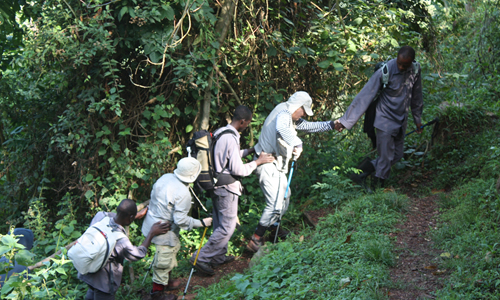
In addition, porters provide physical support while navigating steep hills, muddy trails, and dense vegetation. They can offer a steadying hand in challenging sections, which is especially helpful for those who may not be used to hiking in such terrain.
For elderly travelers or those with limited mobility, porters can assist using special stretchers or sedan chairs, allowing you to be carried comfortably through the forest to the gorilla family.
Porters typically charge around $20 per trek and are often members of the local community. By hiring a porter, you directly support local livelihoods, contribute to community development, and help discourage activities like poaching. Many porters are also students working to raise school fees.
We strongly encourage all travelers—especially those unsure about their fitness level—to hire a porter. Their services are readily available at the park headquarters during the pre-trek briefing and can greatly enhance your overall trekking experience.
Gorilla Trekking Clothing Guide | Tip (Optional)
It is recommended to plan for tipping guides, porters, rangers, and hotel staff as a way of appreciating their service during your gorilla trekking experience.
Tipping is a thoughtful gesture that recognizes their efforts in protecting the gorillas and ensuring your journey is safe, smooth, and enjoyable. Many of these staff members come from local communities and support families who depend on their income.
If you choose to tip, it should be given after the service has been provided and should reflect good or exceptional service. While tipping is not mandatory, it is a meaningful way to show gratitude for their professionalism and dedication.
Other Important Items (Travel, Money & Health Essentials)
Other general items to include on your gorilla trekking packing list are travel insurance, emergency contact numbers, travel maps, directories, and the final itinerary provided by your tour operator. These documents help you stay well-prepared and organized throughout your journey.
It is also important to carry some local currency, especially for tipping guides or purchasing souvenirs in areas where credit card machines or ATMs may not be available. For security, a money belt is highly recommended to keep your cash and valuables safe.
Although most tour vehicles are equipped with basic first aid kits, travelers are advised to bring additional medical essentials. These may include water purification tablets, painkillers, and any personal prescription medications for existing conditions or allergies.
You may also need medication for common travel-related issues such as insect bites, flu, diarrhea, and colds, as well as rehydration solutions. Basic first aid items like bandages, scissors, tweezers, and eye drops can also be very useful during the trip.
Finally, remember to pack swimwear, especially during the dry season. Many lodges and hotels offer swimming pools with stunning views of the African wilderness, providing a relaxing experience after a long day of trekking.