Gorilla Trekking Mgahinga Difficulty
Gorilla Trekking Mgahinga Difficulty is a moderate to challenging adventure in Mgahinga Gorilla National Park, depending on your fitness level, weather conditions, and the location of the gorilla family on the day of the trek. The experience takes place in a rugged volcanic landscape, which makes it more physically demanding than many travelers expect, but still achievable for most reasonably fit visitors.
The terrain is dominated by steep slopes of the Virunga Volcanoes, dense bamboo forests, and sometimes muddy, slippery trails, especially during the rainy season. Trekkers often hike for 1 to 5 hours on average, although longer treks of up to 6–8 hours can happen when gorillas move deeper into the forest. The high altitude (ranging from about 2,200m to over 4,000m) can also make walking more tiring due to reduced oxygen levels, requiring a slower and more steady pace.
Despite the challenge, the trek is made easier by professional ranger guides who lead the way, walking sticks provided at the start, and optional porter services to carry bags and assist on steep sections. These support systems significantly reduce the physical strain and make the experience manageable even for first-time hikers.
During the dry seasons (June to September and December to February), trekking is generally easier because the trails are less slippery. In contrast, the rainy seasons make the hike more difficult due to mud and wet vegetation, but they also offer lush green scenery and fewer tourists.
In conclusion, gorilla trekking in Mgahinga is not an extreme expedition, but it does require basic fitness, patience, and a positive mindset. The effort is well rewarded with a rare opportunity to spend an unforgettable hour observing mountain gorillas in the wild.
What to Pack for a Gorilla Trek in Mgahinga Gorilla National Park
Packing the right gear for gorilla trekking in Mgahinga Gorilla National Park is essential for a comfortable, safe, and enjoyable experience. Since the trek takes place in a rugged volcanic rainforest with unpredictable weather, you need practical items that protect you from mud, rain, insects, and rough terrain while keeping you comfortable during several hours of hiking.
First, wear strong hiking boots with good grip, as the trails can be steep, muddy, and slippery. Pair them with long trousers and long-sleeved shirts to protect your skin from thorny vegetation and insects. A light waterproof jacket or raincoat is highly recommended because weather in Mgahinga can change quickly, even during the dry season.
A small backpack is necessary to carry essentials like drinking water, snacks, and personal items. Bring at least 1–2 liters of water to stay hydrated during the trek. Energy-boosting snacks such as nuts or energy bars are useful for maintaining stamina on long hikes.
You should also pack gardening gloves or light hiking gloves to protect your hands when grabbing vegetation or supporting yourself on steep sections. A hat and sunglasses can help protect you from sun exposure before and after entering the forest canopy.
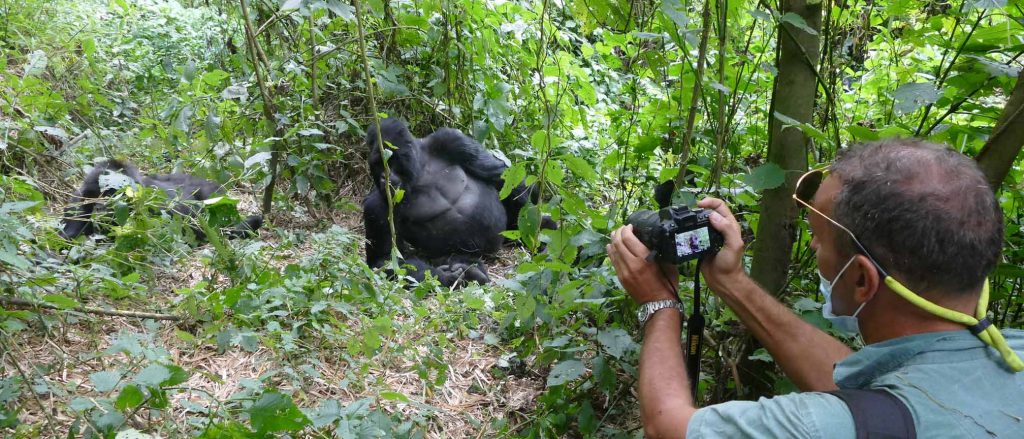
For photography lovers, a camera with extra batteries or a fully charged smartphone is important, but avoid loud camera equipment that may disturb the gorillas. A waterproof bag or dry sack will help protect your electronics from rain and moisture.
Don’t forget insect repellent to protect against mosquitoes and other insects found in the forest. A walking stick, usually provided at the park briefing point, is also very helpful for balance on uneven terrain.
Lastly, carry lightweight rain gear, personal medication, and cash for tipping guides or porters, as ATMs are not available near the park.
In summary, packing smart for gorilla trekking in Mgahinga ensures you stay comfortable, safe, and fully prepared to enjoy one of Africa’s most unforgettable wildlife encounters.
Gorilla Trekking Mgahinga Difficulty | Best Time to Trek Gorillas in Mgahinga Gorilla National Park
The best time to trek gorillas in Mgahinga Gorilla National Park is during the dry seasons, which run from June to September and December to February. These months offer the most favorable trekking conditions because the forest trails are less muddy, less slippery, and generally easier to navigate, making the hike more comfortable and less physically demanding for visitors of all fitness levels. The reduced rainfall also improves visibility in the dense forest, which enhances the overall gorilla trekking experience and increases the chances of capturing clear photographs of the mountain gorillas in their natural habitat.
During the dry season, the weather is more predictable, with lighter or infrequent rainfall, allowing treks to proceed smoothly and reducing delays caused by harsh conditions. This period is also considered the best for photography since the lighting is more stable and the forest canopy is less dark compared to the wet season. Additionally, gorillas tend to move in more accessible areas of the park, making tracking slightly easier for rangers and visitors.
On the other hand, gorilla trekking in Mgahinga is still possible during the wet seasons (March to May and October to November), although conditions can be more challenging due to heavy rains, muddy trails, and thicker vegetation. However, this low season offers unique advantages such as fewer tourists, quieter trekking groups, and lush green scenery that makes the forest exceptionally beautiful and vibrant.
Overall, while gorilla trekking in Mgahinga Gorilla National Park is a year-round activity, the best and most recommended time is the dry season (June–September and December–February) for the most comfortable, safe, and rewarding experience.