Mgahinga Gorilla Conservation Efforts
Mountain gorillas are highly endangered primates found only in the dense, forested jungles of three countries on Earth: Uganda, Rwanda, and the Democratic Republic of Congo. With a global population of just over 1,000 individuals (approximately 1,060), they remain one of the rarest great ape species in the world. Mgahinga Gorilla Conservation Efforts highlight the ongoing commitment to protecting these incredible animals and ensuring their survival for future generations.
Historically, mountain gorilla populations declined sharply due to intense poaching, habitat destruction, and prolonged civil unrest in the region. During periods of conflict, national parks were often turned into battle zones and hideouts for armed groups, leading to severe degradation of habitats and significant threats to wildlife, including mountain gorillas.
Despite these challenges, conservation efforts over the past decades have resulted in a steady and encouraging recovery. However, the species remains highly vulnerable and requires continuous protection to ensure its survival for future generations.
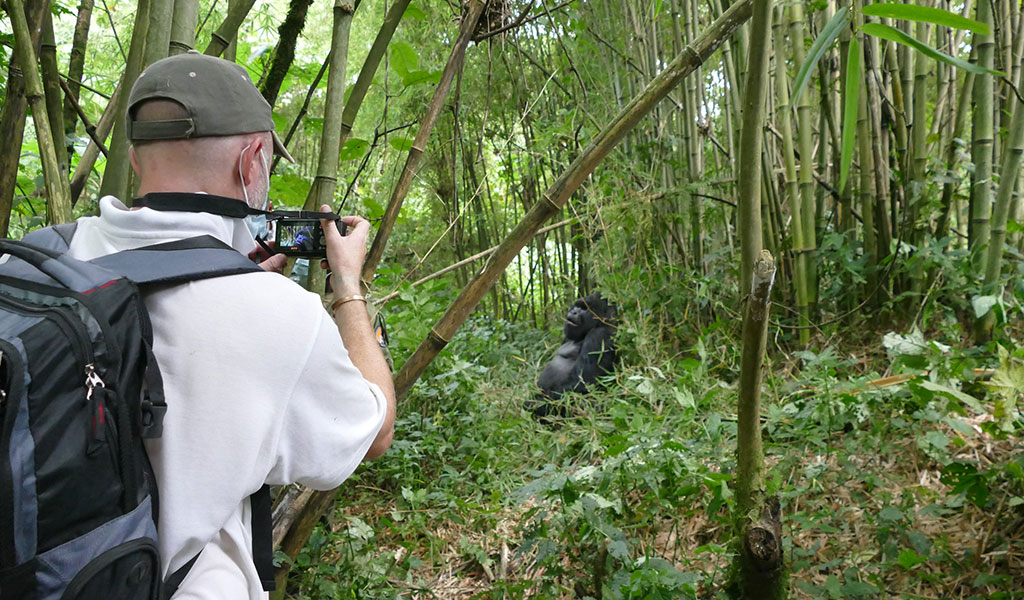
Mountain gorillas are extraordinary and intelligent animals that offer some of the most unforgettable wildlife encounters on the planet. Observing them in their natural habitat during gorilla trekking safaris provides a rare glimpse into their complex social structures, emotional behaviors, and family dynamics. This makes gorilla tourism one of the most powerful tools for conservation in East and Central Africa.
Because of their limited population and fragile habitat, the protection of mountain gorillas is essential for the sustainability of both biodiversity and tourism in the region. Conservation is a shared responsibility that involves governments, conservation organizations, local communities, and visitors.
Key conservation efforts include strict anti-poaching patrols, habitat protection and restoration, scientific research and monitoring, regulated tourism activities, and community-based conservation programs that ensure local people benefit directly from gorilla tourism. These initiatives help reduce human-wildlife conflict while promoting long-term conservation success.
Ultimately, safeguarding mountain gorillas is not only about protecting a species—it is about preserving a unique natural heritage and ensuring that future generations can continue to experience the magic of these gentle giants in the wild.
Mgahinga Gorilla Conservation Efforts | Going for Mountain Gorilla Safaris
One of the most important steps in ensuring the protection of mountain gorillas is participating in responsible gorilla safaris in Uganda. Gorilla trekking is not only a life-changing wildlife experience but also a powerful conservation tool that directly supports the survival of these endangered primates.
Mountain gorilla permits in Uganda, including Mgahinga Gorilla National Park, cost approximately $800 per person. The revenue generated from these permits plays a vital role in funding conservation programs, supporting anti-poaching operations, and maintaining protected areas such as Bwindi Impenetrable National Park and Mgahinga Gorilla National Park.
A significant portion of the funds is used to pay and train game rangers—many of whom are former poachers who have been transformed into conservation guardians. This shift not only provides sustainable livelihoods but also strengthens wildlife protection efforts at the community level.
In addition, a percentage of gorilla tourism revenue is invested in local community development projects, including schools, healthcare facilities, clean water access, and infrastructure improvement. This benefit-sharing model helps local communities understand the importance of protecting mountain gorillas, turning them into active partners in conservation.
While on a mountain gorilla safari in Uganda, visitors gain a deep appreciation of these incredible animals by observing their behavior, social interactions, and family dynamics in their natural habitat. This close encounter creates a powerful emotional connection that often inspires long-term support for conservation.
Ultimately, gorilla safaris in Uganda are not just about wildlife viewing—they are a vital conservation strategy that helps secure the future of mountain gorillas for generations to come.
Supporting Local Community Projects Near Mgahinga National Park
Many communities living around Mgahinga Gorilla National Park depend on small-scale income-generating activities for their livelihoods. These include producing handmade crafts, guiding cultural experiences, and operating small eateries that serve traditional Ugandan cuisine. Supporting these local initiatives plays a crucial role in improving household incomes while strengthening conservation efforts around the park.
When visitors to Mgahinga purchase local crafts or engage in community-based tourism experiences, they directly contribute to the well-being of surrounding communities. This income helps reduce dependence on natural resources and discourages illegal activities such as poaching, as people are provided with sustainable and reliable alternatives for earning a living.
A key example of community conservation around Mgahinga is the Batwa cultural experience, where the indigenous Batwa people share their traditional forest knowledge, music, dance, and storytelling with visitors. Many Batwa were once forest dwellers of the park and now benefit directly from tourism as guides and cultural performers.
Through these cultural encounters, visitors gain a deeper understanding of the human history connected to Mgahinga while supporting livelihoods that are tied to conservation. This creates a strong link between culture and wildlife protection.
Ultimately, supporting local community projects around Mgahinga Gorilla National Park ensures that conservation becomes a shared responsibility—where protecting mountain gorillas goes hand in hand with improving the lives of the people who live alongside them.
Mgahinga Gorilla Conservation Efforts | Not Going for a Mountain Gorilla Safari When Sick
Mountain gorillas share over 98% of their DNA with humans, making them highly susceptible to many human diseases. Because of this close genetic similarity, they are extremely vulnerable to contagious illnesses, especially airborne infections such as flu, coughs, and other respiratory diseases.
For many years, research and conservation observations have shown that some mountain gorillas have died due to infections transmitted from humans. Even a simple cold can pose a serious threat to their health and survival.
For the safety and well-being of these endangered primates, it is strongly discouraged for anyone who is feeling unwell to participate in gorilla trekking. Visitors showing symptoms of illness are often advised to postpone or reschedule their safari to prevent any risk of disease transmission.
This guideline is a vital part of responsible tourism and helps ensure the long-term protection of mountain gorillas in their natural habitat.
Avoiding Buying Products Made from Wild Animal Body Parts
Illegal poaching remains one of the major threats to wildlife, including mountain gorillas. Some poachers hunt wild animals and use their body parts—such as skins, bones, or other remains—to produce crafts and souvenirs for sale. Purchasing these products indirectly supports and encourages illegal wildlife trade, which continues to endanger already vulnerable species.
By refusing to buy any items made from wild animal body parts, visitors and communities help reduce demand and weaken the market that drives poaching. This simple but powerful action plays a significant role in protecting mountain gorillas and other wildlife species for future generations.
In addition to responsible purchasing behavior, supporting mountain gorilla conservation projects through donations is another effective way to contribute to their protection. These funds help strengthen anti-poaching efforts, support ranger patrols, and improve habitat conservation.
Equally important is spreading awareness about mountain gorilla conservation. Sharing knowledge, educating others, and promoting responsible tourism help sensitize communities and visitors about the importance of protecting wildlife.
Together, these actions contribute to a stronger conservation culture—one that ensures mountain gorillas continue to thrive in their natural habitat.
Keeping a Reasonable Distance from Mountain Gorillas
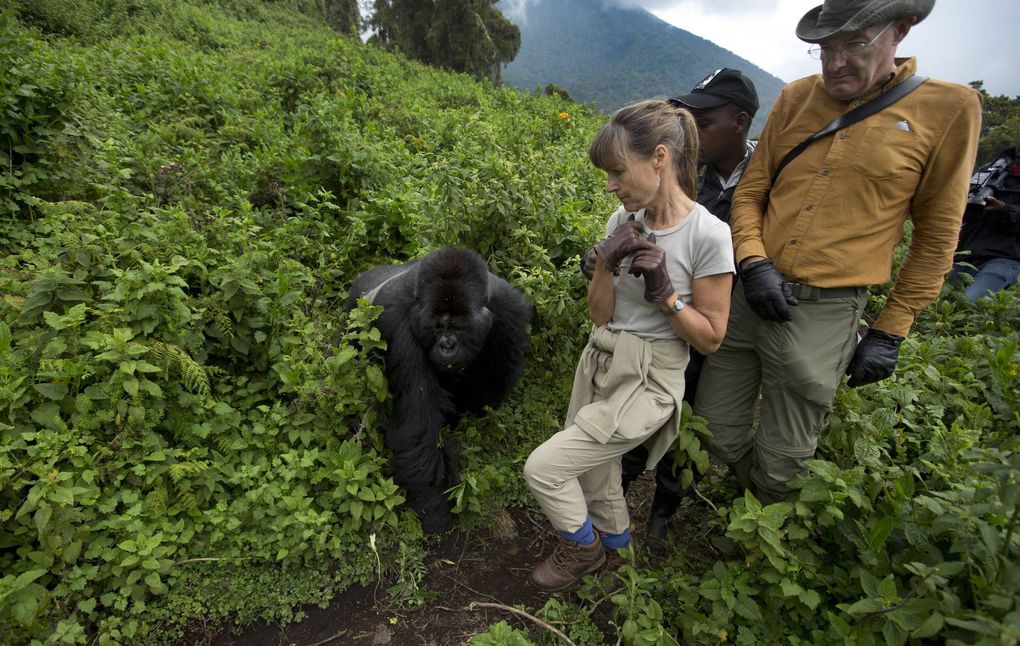
During a gorilla trekking experience, visitors are strongly advised to maintain a safe distance of at least 7 meters from the mountain gorillas. This guideline is essential for protecting both the gorillas and the tourists during close encounters in the wild.
Maintaining this distance helps minimize the risk of transmitting human diseases to the gorillas, as they are highly vulnerable to infections due to their close genetic similarity to humans. It also helps reduce stress and prevents any disruption to their natural behavior, allowing them to remain calm and undisturbed in their habitat.
In some cases, especially with curious young gorillas, they may approach visitors out of natural curiosity. When this happens, tourists are strictly advised to remain calm, avoid any attempt to touch them, and gently step back to maintain the required distance.
Respecting these rules ensures a safe, ethical, and responsible wildlife experience while contributing to the long-term conservation of mountain gorillas in their natural environment.
How Gorilla Trekking Benefits Wildlife – Promoting Habitat Protection
Gorilla trekking is one of the most impactful forms of responsible tourism and plays a significant role in wildlife conservation and habitat protection. When planning a gorilla trekking safari in Uganda, Rwanda, or the Democratic Republic of Congo, it is important to understand that the activity is ethical and directly contributes to the survival of mountain gorillas and their ecosystems.
By purchasing a gorilla trekking permit issued by the relevant wildlife authorities, visitors are directly supporting conservation efforts. A substantial portion of the revenue generated from these permits is reinvested into the protection and management of gorilla habitats.
This funding is used for key conservation activities such as restoring degraded and deforested areas, maintaining park boundaries, and supporting the relocation of individuals who may have encroached on protected gorilla habitats. These efforts help to ensure that gorillas have a safe and stable environment in which to live and thrive.
In addition, gorilla tourism revenue supports anti-poaching patrols, scientific research, and community conservation programs that reduce pressure on protected areas.
Ultimately, every gorilla trekking permit purchased contributes to the long-term preservation of mountain gorilla habitats—making tourists active partners in conservation and ensuring these endangered primates continue to thrive in the wild.
How to Support Gorilla Conservation During Your Trekking Tour
Gorilla trekking is not only a breathtaking wildlife experience but also a powerful opportunity to actively contribute to conservation. Visitors play an important role in protecting mountain gorillas simply through responsible choices and behavior during their safari.
Mgahinga Gorilla Conservation Efforts | Donate or Volunteer for Conservation Initiatives
Visitors can further support gorilla protection by donating to or volunteering with reputable conservation organizations. These contributions help fund anti-poaching patrols, veterinary care, research, and habitat protection programs.
Mgahinga Gorilla Conservation Efforts | Spread Awareness About Gorilla Conservation
Sharing your experience and educating others about mountain gorilla conservation helps raise global awareness. Whether through social media, blogs, or conversations, spreading the message encourages more people to support responsible tourism.
Mgahinga Gorilla Conservation Efforts | Choose Sustainable Safari Practices
Opt for eco-friendly travel choices such as reducing plastic use, respecting park environments, and selecting accommodations that follow sustainable tourism practices. Small actions collectively make a big impact on conservation efforts.
Mgahinga Gorilla Conservation Efforts | Travel with a Reputable Tour Operator
Choosing a responsible and experienced operator such as Marvel Gorilla Adventures Limited ensures that your safari is conducted ethically and in line with conservation standards. Reputable operators prioritize wildlife protection, community benefits, and sustainable tourism experiences.